Most people take NMN without ever considering timing, but timing is one of the biggest factors influencing how well NMN works. Whether your goal is energy, metabolic health, longevity, or mental clarity, taking NMN at the right time can significantly improve NAD+ production and overall results.
In this science-backed guide, Anera Life breaks down the best time to take NMN, how circadian rhythm influences absorption, and how to personalize timing based on your age, lifestyle, fasting schedule, energy levels, and supplement stack.
Why Does Timing Matter for NMN?
Timing affects how efficiently your body converts NMN into NAD⁺, the molecule responsible for cellular energy, DNA repair, mitochondrial function, and healthy aging. Understanding how NMN works and how NAD⁺ levels naturally rise and fall throughout the day will help you choose the best time to take it.
How NMN Works Inside the Body
NMN is a direct precursor to NAD⁺, one of the most important molecules for cell survival and energy metabolism. When you take NMN:
- It rapidly converts into NAD⁺
- NAD⁺ fuels mitochondria
- NAD⁺ supports DNA repair, energy production, and cellular recovery
- Higher NAD⁺ levels support healthy aging and metabolism
This makes the timing of intake essential, since NAD⁺ production naturally aligns with your daytime energy demands.
The Role of Circadian Rhythm in NAD⁺ Levels
Your NAD⁺ levels follow a 24-hour circadian rhythm, meaning:
- NAD⁺ peaks in the morning
- Gradually declines through the day
- Hits its lowest point at night
Because NMN increases NAD⁺, most experts recommend aligning intake with this natural cycle. This is why morning NMN is the most common and most beneficial timing for the majority of people.
Factors That Influence NMN Timing
Your ideal timing may differ depending on:
- Energy goals
- Work schedule
- Sleep patterns
- Intermittent fasting routine
- Metabolic rate
- Supplement stack
Later sections will help you match your goals with the best timing.
Best Time of Day to Take NMN
The best time of day to take NMN is in the morning, ideally on an empty stomach. This timing aligns with your body’s natural circadian rhythm, when NAD⁺ levels naturally peak and your cells are primed for energy production, metabolism, and mental focus. Taking NMN early helps your body convert it more efficiently into NAD⁺, maximizing benefits like sustained energy, sharper cognition, and metabolic support throughout the day.
Most people notice stronger and cleaner results when NMN is taken within 30–60 minutes of waking, before food or caffeine. Morning dosing also reduces the risk of sleep disruption, since NMN can increase cellular alertness.
Time can be personalized. Some people benefit from early afternoon dosing (especially athletes or intermittent fasters), while evening dosing is generally not recommended unless you’re highly sensitive to stimulatory effects or work night shifts.
- Morning = best for most people
- Afternoon = situational use
- Night = avoid unless necessary
If you want a realistic breakdown of what happens from the first few weeks to several months of consistent use, read our detailed guide on how long NMN takes to work.
Morning vs Evening: Which Is Better for You?

The best time to take NMN is in the morning, ideally on an empty stomach, to match your body’s natural NAD⁺ circadian rhythm. Morning intake improves energy, metabolism, mental clarity, and overall absorption. If you’re fasting, taking NMN early in your fasting window works even better.
Most people get the best results taking NMN in the morning, but certain goals and lifestyles may make evening or split dosing better. This section helps you choose the ideal timing based on your body, schedule, and health goals.
Benefits of Taking NMN in the Morning
Taking NMN in the morning aligns with your body’s natural NAD⁺ peak and supports daily performance. Morning intake is ideal for:
- Natural energy boost
- Improved mental clarity & focus
- Better metabolic support
- Workout-ready energy
- Pairing with Resveratrol, CoQ10, or a longevity stack
Morning is the best time to take NMN for most people because it aligns with your natural NAD⁺ cycle, boosts daytime energy, enhances focus, and supports metabolic function. It also pairs well with Resveratrol and other morning longevity supplements.
Benefits of Taking NMN in the Evening
Evening NMN isn’t as common, but it may help specific individuals. It works best for:
- People sensitive to morning supplements
- Those who feel overstimulated with AM dosing
- Individuals focused on nighttime cellular repair
- People with demanding evening work or study schedules
Evening NMN can be useful for people sensitive to morning supplements or those focused on cellular recovery at night. While morning is best for energy, evening timing may suit individuals with night shifts, stress patterns, or inconsistent daytime routines.
Who Should Choose Which Timing?
- Choose Morning if your goal is energy, productivity, workouts, or longevity.
- Choose Afternoon if you follow intermittent fasting or do midday workouts.
- Choose Evening if you’re very sensitive to energy changes or have nighttime focus demands.
Best NMN Timing at a Glance
| Goal / Health Benefit | Best Time to Take NMN | With/Without Food? | Why This Timing Works |
| Energy & Focus | Morning (6–10 AM) | Empty stomach | Aligns with peak NAD+ circadian rhythm; boosts mental clarity |
| Anti-Aging & Cellular Repair | Morning or split dose AM + PM | Empty stomach | Maintains NAD+ levels throughout the day |
| Workout Performance | 30–45 minutes before exercise | Empty stomach | Enhances ATP energy production |
| Sleep Optimization | Avoid nighttime | — | NMN increases alertness; may delay sleep |
| Fasting Users | During fasting window | Empty stomach | NMN does not break fast; supports cellular energy |
Sample Daily NMN Timing Plans
Routine for Busy Professionals
- 7:00 AM: NMN (sublingual or capsule)
- 9:00 AM: Coffee or green tea
- 2:00 PM: Optional split dose for long workdays
Routine for Intermittent Fasters (16:8)
- 6:30–9:00 AM: NMN during fasting window
- 12:00 PM: Resveratrol with first meal
Routine for Athletes
- 8:00 AM: NMN base dose
- 1:00–3:00 PM: Pre-workout NMN or energy stack
- Avoid after 6:00 PM
Routine for People Over 40
- Morning: 500 mg
- Afternoon: 250 mg
Routine for Beginners
- Start with 250 mg AM
- Increase to 500 mg after 2–3 weeks
Should You Take NMN on an Empty Stomach or With Food?

Absorption Differences
NMN is a water-soluble molecule, which means it absorbs faster on an empty stomach. This is why most people prefer taking it:
- First thing in the morning
- Before eating
- During a fasting window
Taking it with a large or heavy meal may slow absorption.
NMN absorbs best on an empty stomach because it’s water-soluble and converts quickly into NAD⁺. You can take it with food if needed, but avoid heavy meals as they slow absorption.
Best Food Pairings (If Not Fasting)
If you prefer not to take NMN on an empty stomach, pair it with light, healthy fats that support nutrient uptake:
- Olive oil
- Greek yogurt
- Nuts & seeds
- Avocado
- Smoothies with healthy fats
This is especially helpful when taking NMN + Resveratrol, since Resveratrol requires fat for proper absorption.
When to Avoid Taking With Food
Avoid combining NMN with:
- Heavy meals
- High-fiber meals
- Foods that slow gastric emptying (red meat, fried foods)
These can reduce absorption speed and efficiency.
Can You Take NMN While Fasting?
Does NMN Break a Fast?
NMN does not break a fast because:
- It has zero calories
- Does not trigger an insulin response
- Does not interfere with autophagy
This makes NMN ideal for IF users, OMAD, and metabolic health routines.
NMN doesn’t break a fast because it contains no calories and doesn’t spike insulin. It’s safe during fasting windows and may even support autophagy and cellular repair.
Best Time to Take NMN for IF Users
Ideal timing for intermittent fasting:
- 16:8 IF: Take NMN in the morning during the fasting window
- 20:4 IF: Morning or early afternoon
- OMAD: Take NMN 1–2 hours before your eating window for maximum energy
Fasting + NMN is one of the most effective longevity combos.
Best Time to Take Multiple Supplements (NMN Stack Guide)
NMN + Resveratrol Timing
Take them together in the morning, but:
- NMN = empty stomach
- Resveratrol = needs healthy fats
The best method: Take NMN first → 5–10 minutes later take Resveratrol with a fat source.
NMN + TMG Timing
TMG supports methylation and should be taken around the same time as NMN for balance.
Options:
- Together in the morning
- Split dose: NMN in AM, TMG midday
NMN + Vitamin B3 or NAD⁺ Boosters
Take NAD⁺ boosters in the early part of the day for:
- Maximum energy
- Better metabolic support
- Enhanced mitochondrial function
Best Way to Take NMN for Maximum Effectiveness
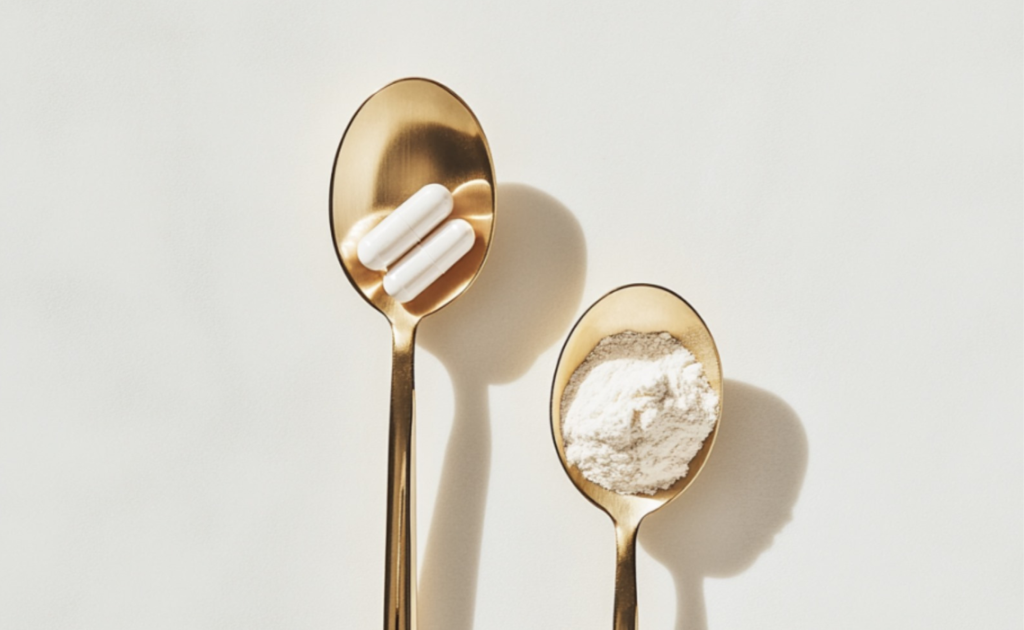
Sublingual vs Capsule vs Powder Timing
Sublingual NMN
- Fastest absorption
- Ideal for morning energy
- Works well during fasting
Capsule NMN
- Slower absorption
- Best taken on an empty stomach
- Good for consistent daily routines
Powder NMN
- Flexible dosing
- Easy to combine with morning drinks
- Good for precision timing
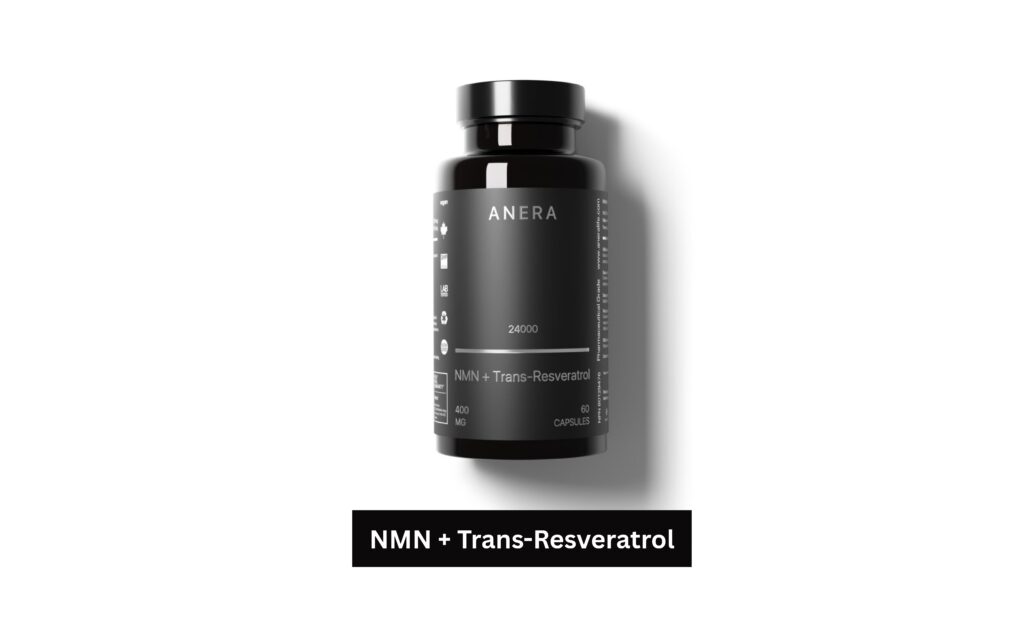
Sublingual NMN absorbs fastest and is ideal for morning use. Capsules work well if taken on an empty stomach, while powder offers flexible dosing. Choose the form based on your lifestyle and how quickly you want NMN to raise NAD⁺ levels.
Should You Split the NMN Dose?
Splitting your NMN dose can provide smoother NAD⁺ support throughout the day.
Consider split dosing if you:
- Feel an energy drop in the afternoon
- Train twice a day
- Are over age 45
- Take 750–1500 mg daily
Common split schedule:
- AM: 250–500 mg
- PM: 250 mg
Split dosing helps maintain steady NAD⁺ levels and is ideal for older adults, athletes, and people taking higher NMN doses. Most users take a larger dose in the morning and a smaller one in the afternoon.
How Much NMN Should You Take Based on Timing?
General timing-based dosing:
- 250 mg: Good for beginners; take in the morning
- 500 mg: Standard daily longevity dose
- 750 mg: For energy, workouts, or age 45+
- 1000 mg+: For advanced users or intense training (consult a professional)
How Timing Affects Energy, Sleep & Recovery

Morning Timing for Energy & Focus
Taking NMN in the morning boosts:
- Mitochondrial energy
- Mental clarity
- Motivation
- Productivity
Perfect for fitness enthusiasts, entrepreneurs, and office workers. Morning NMN supports sharper focus, stable energy, and faster metabolism, making it ideal for high-performance individuals.
Afternoon Timing for Workout Performance
Taking NMN 1–2 hours before training can help:
- Increase endurance
- Reduce fatigue
- Improve recovery capacity
Especially helpful for athletes and people with afternoon training sessions.
Evening Timing for Sleep-Sensitive Individuals
Some individuals feel overstimulated by morning NMN. Evening timing may help balance nighttime cellular repair, especially if:
- You work night shifts
- You recover from physical stress
- You need a calmer morning routine
Special Timing Considerations Based on Age, Gender & Lifestyle
Best Timing for Older Adults (50+)
Older adults naturally have lower NAD⁺ levels, so timing becomes more important:
- Morning: Main dose
- Midday: Optional second dose for energy stability
This helps maintain consistent NAD⁺ activity throughout the day.
Best Timing for Women
Women may benefit from slightly adjusted timing due to hormonal fluctuations:
- Morning: Daily energy, metabolism, mental clarity
- Mid-cycle: Slight dose increase (optional)
- Perimenopause: Split dosing may stabilize energy and mood
Great for PCOS, hormonal stress, or brain fog.
Best Timing for Athletes
Ideal schedule:
- Morning: Base dose for daily energy
- Pre-workout (early afternoon): Optional boost
- Post-workout: Avoid, as NMN is not a recovery supplement
Common Mistakes to Avoid When Timing Your NMN
Avoid these timing mistakes:
- Taking NMN too late → may cause alertness
- Taking with heavy meals → reduces absorption
- Inconsistent timing → unstable results
- Stacking with caffeine immediately → may reduce sublingual efficiency
- Wrong supplement combinations (e.g., Resveratrol without fats)
Take NMN consistently, avoid heavy meals, and keep it earlier in the day. Proper timing helps maximize absorption and energy benefits.
Frequently Asked Questions
How long for NMN to start working?
NMN can start working within a few hours by helping raise NAD⁺ levels, but noticeable benefits depend on the individual, dosage, and consistency. Many people report improved energy and mental clarity within 7–14 days of daily use. Benefits related to metabolism, endurance, and focus often become more noticeable after 2–4 weeks, while cellular repair, skin health, and healthy aging support typically develop over 4–8 weeks or longer.
Can I drink coffee after NMN?
Yes, you can drink coffee after taking NMN. Caffeine doesn’t interfere with NMN absorption or NAD+ production. Many people take NMN first thing in the morning on an empty stomach and then have coffee 10–20 minutes later. If you’re sensitive to stimulants, spacing them out may help avoid jitteriness, but in general, NMN and coffee pair well together.
Can I take NMN at night?
You can take NMN at night, but it’s generally not recommended. NMN can increase alertness by boosting cellular energy production, which may make it harder to fall asleep. Most experts and users prefer taking it in the morning or early afternoon to align with natural NAD+ rhythms. Nighttime dosing is only suitable if you don’t experience any sleep disturbances.
Can I take NMN after breakfast?
Yes, you can take NMN after breakfast, especially if you experience stomach discomfort when taking supplements on an empty stomach. However, NMN is absorbed more efficiently without food, so taking it before breakfast may deliver stronger benefits. If you prefer after-breakfast dosing, choose a light meal to ensure better absorption and consistent daily results.
Does NMN affect sleep?
For some people, NMN can affect sleep because it increases cellular energy and may create a mild stimulating effect. This is why nighttime dosing is not recommended. When taken in the morning or early afternoon, NMN typically supports energy, focus, and metabolic function without disturbing sleep. If you notice restlessness, simply shift your dose earlier in the day.
Can I take NAD before bed?
Taking NAD or NAD-boosting supplements before bed is not ideal. NAD raises cellular energy and alertness, which may interfere with your ability to wind down or fall asleep. It’s more effective to take NAD or NMN in the morning to align with the body’s natural circadian rhythm. Evening or nighttime doses may be stimulating for some people.
To learn more about our mission, science, and NMN products, visit AneraLife.com