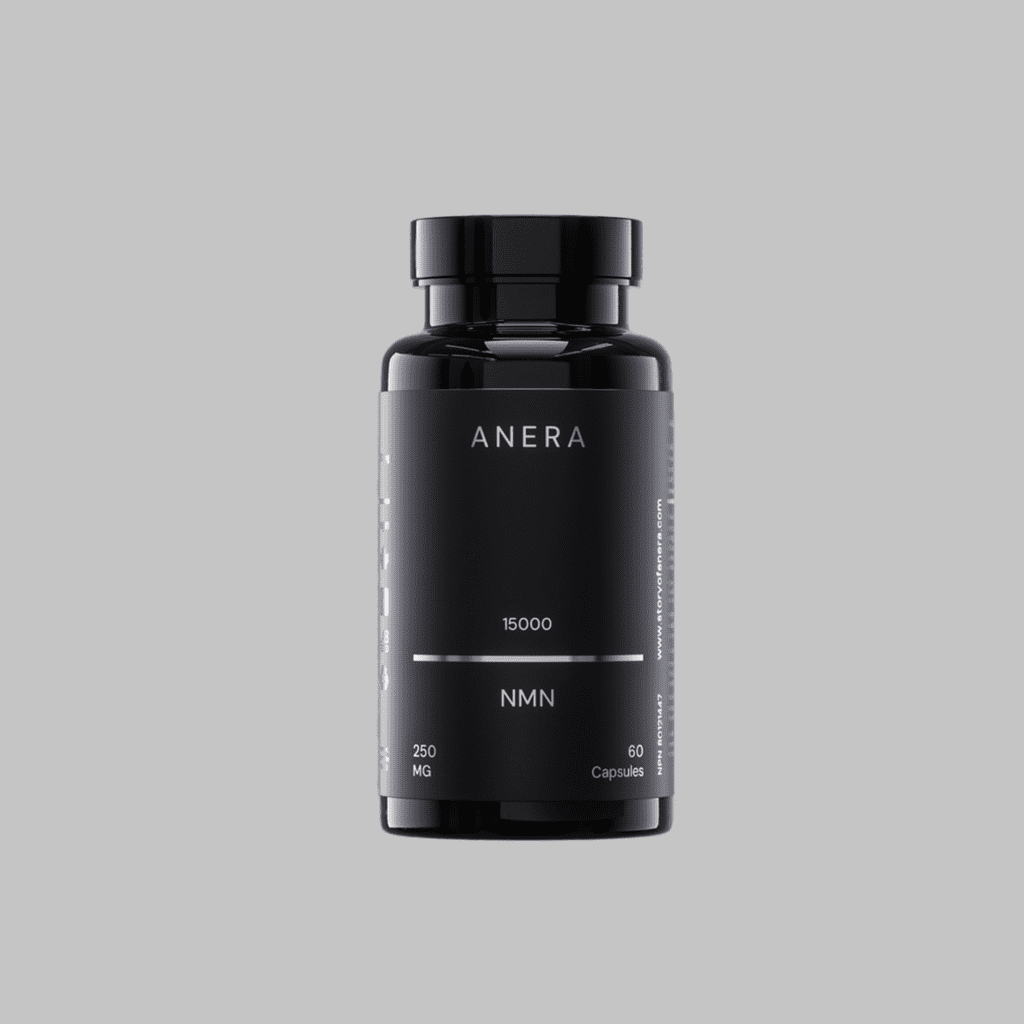
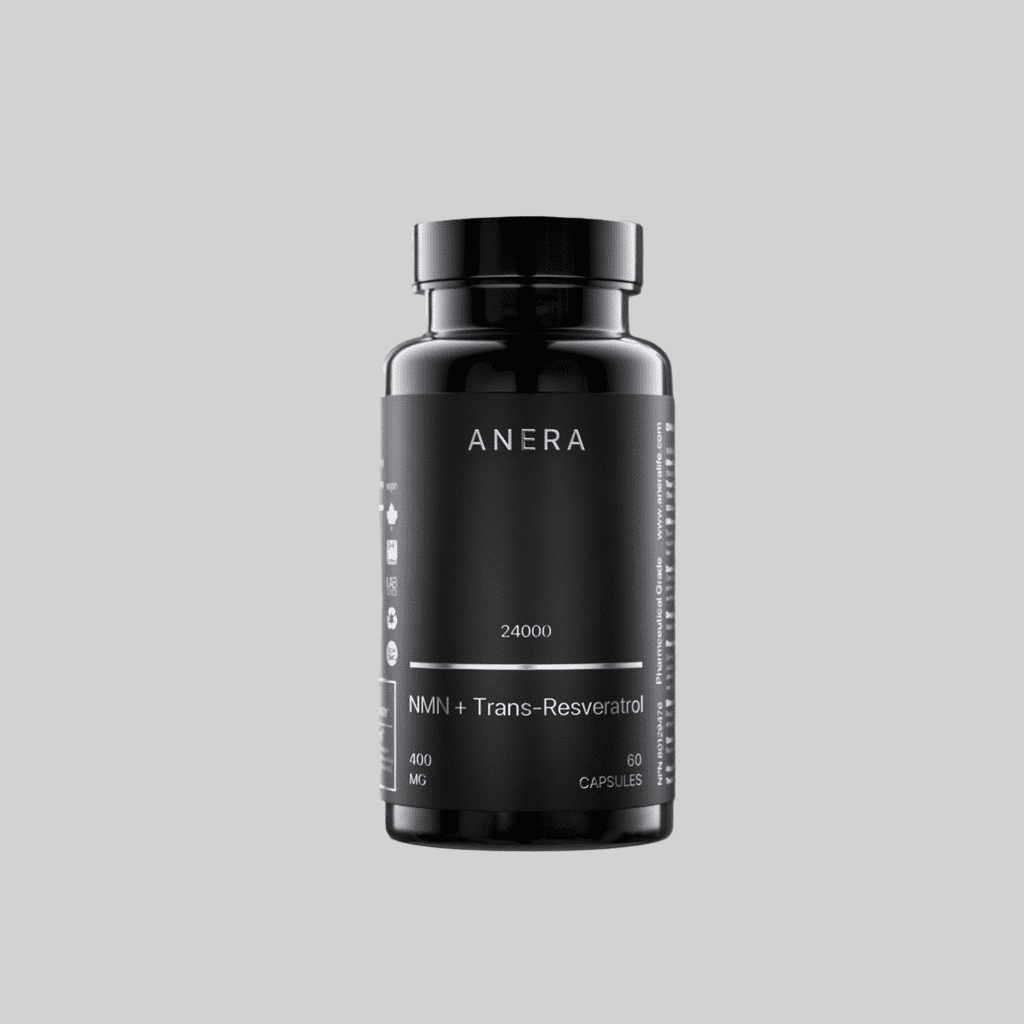
NMN is a direct precursor to NAD+, a molecule essential for cellular energy and DNA repair, whereas trans-resveratrol is a powerful polyphenol that activates longevity-related proteins known as sirtuins. The core difference is that NMN fuels cells, while trans-resveratrol regulates how cells respond to stress and aging. They can be taken together to support combined benefits. NMN supports energy and metabolism, while trans-resveratrol supports heart health and cellular defence.
What Are NMN and Trans-Resveratrol?
What Is NMN?
Nicotinamide Mononucleotide (NMN) is a naturally occurring molecule found in small amounts in foods like broccoli, avocado, and edamame. It is best known as a direct NAD+ booster, meaning the body efficiently converts NMN into NAD+. NAD+ is essential for cellular energy production, metabolic function, and DNA repair.
As we age, NAD+ levels decline, which is linked to fatigue, slower metabolism, and reduced cellular resilience. This decline is a major reason NMN supplements have gained attention in longevity research. By replenishing NAD+ levels, NMN supports mitochondrial function, cellular repair, and long-term metabolic health. For this reason, NMN is often associated with improved energy, focus, and healthy aging.
What Is Trans-Resveratrol?
Trans-resveratrol is the most bioactive form of resveratrol, a natural polyphenol found in grapes, berries, and Japanese knotweed. The “trans” form matters because it offers higher bioavailability and stability compared to standard resveratrol.
Trans-resveratrol is widely recognized for its antioxidant and anti-inflammatory properties, but its true longevity value comes from its ability to activate sirtuin proteins that regulate aging, metabolism, and cellular stress response. It is often described as a “caloric restriction mimic” because it triggers similar longevity pathways without reducing food intake.
Research links trans-resveratrol to cardiovascular support, oxidative stress reduction, and cellular defence, making it a popular supplement for long-term health optimization and anti-aging strategies.
How NMN and Trans-Resveratrol Work in the Body
How NMN Increases NAD+ Levels
NMN works by entering the body’s NAD+ pathway, where it is rapidly converted into NAD+. NAD+ plays a central role in cellular energy (ATP production), DNA repair, and metabolic efficiency. Higher NAD+ levels support healthier mitochondria, better energy output, and improved cellular maintenance.
This mechanism explains why NMN is often associated with faster, more noticeable benefits such as increased stamina, mental clarity, and improved recovery, especially in adults over 30.
How Trans-Resveratrol Activates Sirtuins
Trans-resveratrol activates SIRT1, a key sirtuin involved in longevity and metabolic regulation. Sirtuins depend on NAD+ to function, which is why trans-resveratrol and NMN are often discussed together. It also influences the AMPK pathway, improving cellular stress resistance and metabolic balance.
Rather than directly boosting energy, trans-resveratrol helps cells use energy more efficiently and defend against aging-related damage over time.
NMN vs Trans-Resveratrol: Key Differences
When comparing NMN and Trans-Resveratrol, the most important distinction lies in how they support longevity. NMN works by increasing NAD+ levels, the cellular “fuel” needed for energy production and repair. Trans-resveratrol, on the other hand, acts as a cellular “switch,” activating longevity pathways that regulate how cells respond to stress and aging.
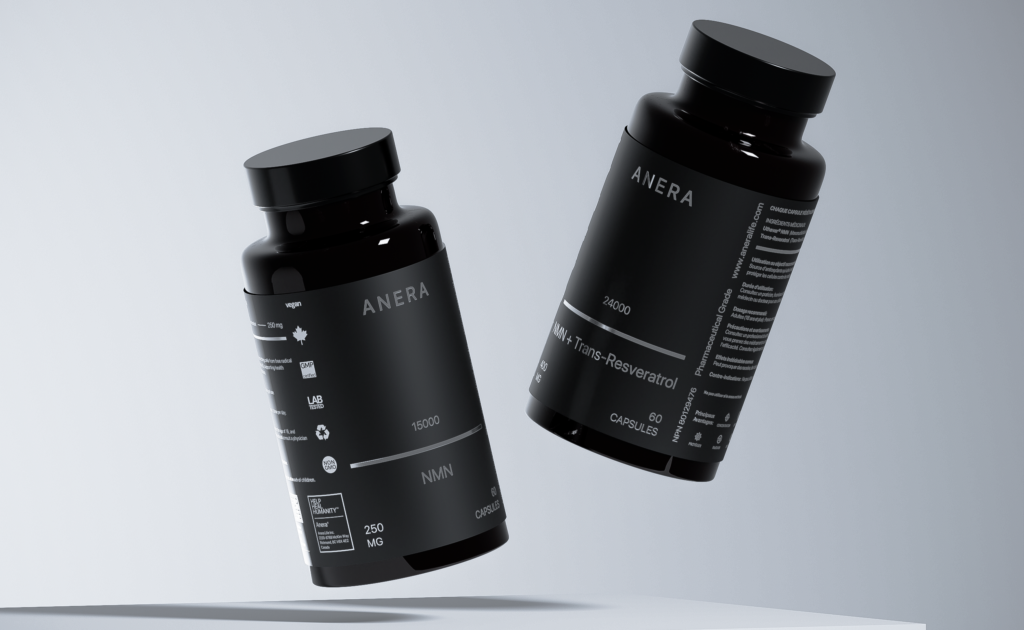
Both supplements contribute to healthy aging, but they serve different biological roles. Understanding these differences helps determine whether NMN, trans-resveratrol, or a combined approach best aligns with your health goals.
NMN vs Trans-Resveratrol Comparison Table
| Comparison Factor | NMN | Trans-Resveratrol |
| Primary Function | Increases NAD+ levels | Activates sirtuins (SIRT1) |
| Mechanism of Action | NAD+ precursor | Polyphenol + signalling molecule |
| Core Benefits | Energy, metabolism, cellular repair | Antioxidant defence, heart health |
| Speed of Results | Faster, often noticeable within weeks | Gradual, long-term support |
| Ideal Age Group | 30+ experiencing energy decline | 35+ focused on prevention |
| Anti-Aging Role | Supports DNA repair and mitochondria | Regulates cellular stress response |
| Can Be Stacked? | Yes | Yes |
| Best Use Case | Low energy, brain fog, metabolic slowdown | Inflammation, oxidative stress |
NMN and Trans-Resveratrol Together: Do They Work Better as a Stack?
The ‘Fuel + Switch’ Longevity Model
One reason the NMN and trans-resveratrol together strategy is popular is the “fuel + switch” concept used in longevity science. NMN raises NAD+ levels, providing the energy cells need to function and repair themselves. Trans-resveratrol then activates sirtuins, which rely on NAD+ to regulate aging and metabolic pathways.
In simple terms, NMN supplies the fuel, while trans-resveratrol tells the cell how to use that fuel efficiently. This complementary relationship explains why many longevity protocols recommend an NMN trans-resveratrol stack rather than using either supplement alone.
Scientific Rationale for Synergy
From a biological standpoint, sirtuins cannot function optimally without sufficient NAD+. By increasing NAD+ availability, NMN enhances the effectiveness of trans-resveratrol’s sirtuin activation. This interaction supports:
- Improved mitochondrial performance
- Better cellular stress resistance
- Enhanced metabolic efficiency
- Stronger long-term cellular resilience
This synergy is especially relevant for adults focused on proactive aging, metabolic health, and cardiovascular support. While NMN supports the “hardware” of the cell, trans-resveratrol optimizes the “software” that controls aging pathways.
Why Stacking Is Popular in Longevity Protocols
Longevity researchers increasingly emphasize multi-pathway support rather than single-compound solutions. Aging is complex, involving energy decline, oxidative stress, inflammation, and reduced cellular repair. Combining NMN and trans-resveratrol addresses multiple hallmarks of aging simultaneously.
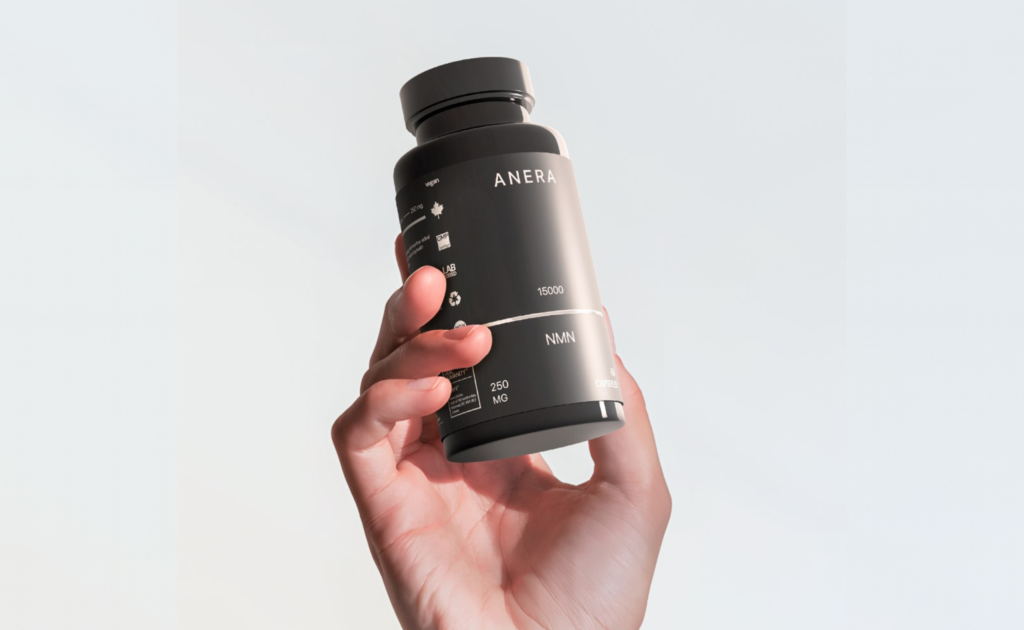
For supplement users and fitness-focused individuals, this stack supports daily energy while also reinforcing long-term cellular protection. This balanced approach aligns well with modern preventive health strategies promoted by evidence-based brands like Anera Life.
Benefits of Taking NMN and Trans-Resveratrol
NMN and trans-resveratrol support cellular health in different but complementary ways. NMN increases NAD+ levels to boost cellular energy and metabolism, while trans-resveratrol activates longevity pathways that protect cells from oxidative stress. Together, they support energy, healthy aging, and long-term cellular resilience.
What Are the Short-Term Benefits of NMN and Trans-Resveratrol?
Short-term benefits of NMN and trans-resveratrol focus on energy support and cellular protection. NMN may deliver noticeable improvements in stamina and mental clarity, while trans-resveratrol works more subtly to reduce oxidative stress and inflammation that affect cardiovascular and cellular health.
What Are the Short-Term Benefits of NMN?
NMN supports short-term energy by increasing NAD+ levels, which are essential for cellular energy production. Users often report improved focus, reduced fatigue, better exercise recovery, and more consistent daily energy. These effects occur because NMN directly supports mitochondrial efficiency and metabolic function.
What Are the Short-Term Benefits of Trans-Resveratrol?
Trans-resveratrol provides short-term antioxidant support by neutralizing free radicals and reducing oxidative stress. While it does not typically produce immediate energy, it helps support cardiovascular function and inflammation balance, especially in physically active individuals or those exposed to environmental stressors.
What Are the Long-Term Benefits of NMN and Trans-Resveratrol?
Long-term benefits of NMN and trans-resveratrol are associated with healthy aging and cellular longevity. With consistent use, these supplements support DNA repair, mitochondrial health, metabolic efficiency, and cardiovascular resilience, key biological processes that decline naturally with age.
What Are the Long-Term Benefits of NMN?
NMN supports long-term health by maintaining NAD+ levels that decline with aging. Sustained NAD+ availability helps promote DNA repair, metabolic balance, and mitochondrial function. Over time, NMN is linked to improved energy stability, healthier aging, and reduced impact of age-related metabolic decline.
What Are the Long-Term Benefits of Trans-Resveratrol?
Trans-resveratrol supports long-term health by activating sirtuins, proteins involved in inflammation regulation, cardiovascular health, and cellular stress response. Long-term use may help protect blood vessels, reduce oxidative damage, and support heart health as part of a longevity-focused wellness routine.
NMN vs Trans-Resveratrol: Which One Should You Take?
NMN and trans-resveratrol serve different health goals. NMN is better for energy and metabolic support, while trans-resveratrol is ideal for antioxidant protection and cardiovascular health. Your choice depends on whether your primary goal is daily energy or long-term cellular protection.
Who Should Take NMN?
NMN is best for individuals experiencing low energy, mental fatigue, or slower recovery. Adults over 30 often choose NMN to support NAD+ levels, daily stamina, brain function, and metabolic efficiency, especially when energy decline becomes noticeable with age.
Who Should Take Trans-Resveratrol?
Trans-resveratrol is ideal for people focused on heart health, inflammation control, and oxidative stress reduction. It is commonly chosen by those prioritizing long-term cellular protection, cardiovascular support, and preventive aging strategies rather than immediate energy enhancement.
Should You Take NMN and Trans-Resveratrol Together?
Taking NMN and trans-resveratrol together is recommended for comprehensive longevity support. This combination addresses both energy production and cellular defence pathways, making it suitable for individuals seeking full-spectrum aging, metabolic health, and long-term cellular resilience.
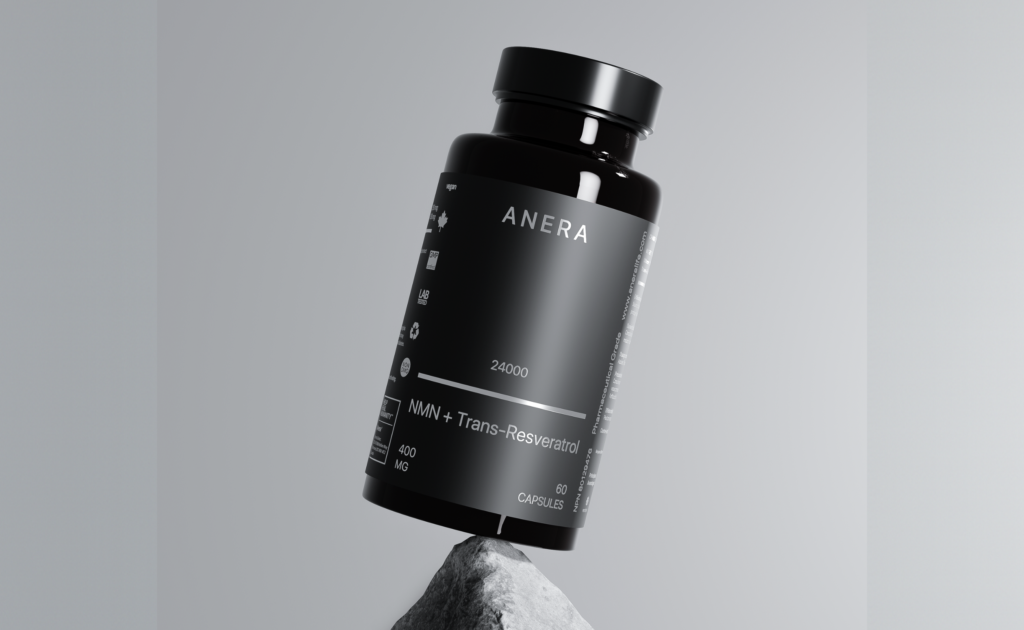
This balanced strategy aligns with modern longevity science and is a core philosophy behind Anera Life’s NMN + trans-resveratrol formulations.
Conclusion
When comparing NMN vs Trans-Resveratrol, there is no one-size-fits-all answer because each supports longevity differently. NMN focuses on restoring NAD+ levels to fuel cellular energy, metabolism, and DNA repair, while trans-resveratrol helps regulate aging pathways by activating sirtuins and protecting cells from oxidative stress. For those seeking daily energy, NMN may be the better choice. For long-term cellular protection, trans-resveratrol stands out. However, combining both offers the most complete, science-backed approach to healthy aging and longevity optimization.
Choosing a trusted NMN brand ensures you get maximum NAD+ support and long-term benefits. You can review our updated list of the Top 10 NMN brands in Canada for a detailed comparison.
Frequently Asked Questions
Can you take NMN and trans-resveratrol together?
Yes, NMN and trans-resveratrol can be taken together and are often used as a longevity stack. NMN increases NAD+ levels, while trans-resveratrol activates sirtuins that rely on NAD+ to function. This complementary mechanism supports energy production, cellular repair, and long-term aging pathways when used consistently.
Which works better: NMN or trans-resveratrol?
Neither is universally “better” they serve different purposes. NMN is more effective for boosting energy, metabolism, and NAD+ levels, while trans-resveratrol excels at antioxidant defence and activating longevity-related proteins. The best choice depends on whether your primary goal is daily energy or long-term cellular protection.
Is NMN better than trans-resveratrol for anti-aging?
NMN supports anti-aging by maintaining NAD+ levels essential for DNA repair and mitochondrial health. Trans-resveratrol supports anti-aging by regulating inflammation and activating sirtuins. For comprehensive anti-aging support, combining NMN and trans-resveratrol addresses multiple aging pathways more effectively than using either alone.
Is trans-resveratrol safe for long-term use?
Trans-resveratrol is generally considered safe for long-term use when taken at appropriate doses from high-quality, third-party tested supplements. As a naturally occurring polyphenol, it has been widely studied for cardiovascular and cellular health. Individuals with medical conditions should consult a healthcare professional before long-term use.
Can I take NMN long-term?
NMN is commonly used long-term as part of healthy aging strategies. Research suggests it supports NAD+ maintenance, metabolic health, and cellular repair over time. Choosing a high-purity NMN supplement and following recommended dosages is important for long-term safety and effectiveness.
Do NMN and trans-resveratrol help after age 40?
Yes, NMN and trans-resveratrol are especially relevant after age 40, when NAD+ levels decline more rapidly, and oxidative stress increases. Together, they support energy, metabolism, cardiovascular health, and cellular resilience, making them valuable tools for proactive aging and longevity support.