Many people take resveratrol consistently yet feel underwhelmed by the results. In most cases, the issue isn’t the supplement itself; it’s timing and absorption. Resveratrol’s benefits are closely tied to when you take it, how your body metabolizes it, and whether it’s paired with food.
This guide explains the best time to take resveratrol, comparing morning vs night use, age-based timing, and absorption strategies. You’ll also see how resveratrol fits into a daily routine, including a brief look at NMN and resveratrol synergy for cellular health without hype or overclaims.
What Is Resveratrol and Why Timing Matters
Resveratrol is a natural polyphenol and antioxidant found in plants like grapes, berries, and peanuts. It’s best known for supporting cellular repair, metabolic health, and healthy aging through its interaction with sirtuin proteins linked to longevity pathways.
Timing matters because resveratrol influences biological systems that follow a circadian rhythm, including metabolism, energy regulation, and cellular repair. Research suggests resveratrol affects sirtuin activation, mitochondrial function, and NAD⁺-related pathways, all of which fluctuate throughout the day.
Taking resveratrol at the wrong time may reduce its effectiveness, especially if it clashes with sleep patterns, digestion, or energy demands. Strategic timing helps align resveratrol’s metabolism with your body’s natural repair and recovery cycles, improving overall absorption and results.
Best Time to Take Resveratrol (Quick Answer)
The best time to take resveratrol depends on your goal, age, and daily routine, but it should always be taken with food for absorption.
- Morning: Best for energy support, metabolic health, and blood sugar balance
- Midday: Ideal for heart health, general wellness, and steady metabolism
- Night: Supports cellular repair, anti-aging pathways, and sleep-related recovery
For most people, taking resveratrol with a meal containing healthy fats improves absorption and consistency.
Best Time to Take Resveratrol: Morning or Night?
Choosing between morning or night comes down to how your body responds to resveratrol and what you want from it.
When taking resveratrol in the morning makes sense
Morning dosing works well if your goal is:
- Supporting daytime energy and focus
- Improving metabolic flexibility and blood sugar regulation
- Aligning resveratrol with AMPK activation and daily activity
Some people find morning resveratrol slightly stimulating, making it better suited earlier in the day.
When taking resveratrol at night is better
Nighttime dosing may be a better fit if you’re focused on:
- Cellular repair and anti-aging benefits
- Supporting sleep-related recovery cycles
- Aligning sirtuin activity with overnight regeneration
For sensitive individuals, nighttime use can feel calming rather than energizing.
How age, goals, and sleep patterns affect the choice
Younger adults often tolerate nighttime resveratrol well, while older adults may prefer earlier dosing to avoid sleep disruption. If resveratrol affects your alertness, morning or midday is usually safer.
Clear takeaway:
- Choose morning for energy and metabolism
- Choose night for repair and longevity
- Adjust based on age, sleep quality, and response
Best Time to Take Resveratrol Based on Age
Age plays a major role in how your body absorbs, metabolizes, and responds to resveratrol. As metabolism, sleep patterns, and cellular repair rates change over time, so does the ideal resveratrol timing.
Younger Adults (18–40)
For younger adults, the best time to take resveratrol is often at night, especially when the primary goal is long-term cellular health rather than immediate energy.
At this age, mitochondrial efficiency and NAD⁺ availability are typically higher, allowing resveratrol to align well with overnight cellular repair and sirtuin activation. Nighttime use may also support recovery from training, stress, and daily oxidative load.
Resveratrol taken in the evening can:
- Support cellular repair during sleep
- Align with natural anti-aging pathways
- Complement rest-and-recovery cycles
If nighttime dosing interferes with sleep, shifting to earlier evening or midday is a practical adjustment.
Older Adults (40+)
For adults over 40, the best time to take resveratrol is usually midday or early afternoon.
As metabolism slows with age, resveratrol may feel mildly stimulating when taken late in the day. Midday dosing aligns better with cardiovascular support, energy stability, and metabolic efficiency, without disrupting sleep.
Benefits of earlier dosing for older adults include:
- Better tolerance and consistency
- Support for heart health and circulation
- Improved daytime energy without evening restlessness
For this group, taking resveratrol with lunch that includes healthy fats often produces the most reliable results.
Best Time to Take Resveratrol Based on Your Health Goal
If age-based guidance feels too broad, goal-based timing offers a more personalized approach.
Morning: Energy & Blood Sugar Support
Taking resveratrol in the morning works best when your focus is:
- Supporting steady energy levels
- Helping maintain healthy blood sugar response
- Activating AMPK-related metabolic pathways
Morning resveratrol is often preferred by active individuals or those pairing it with workouts, as it aligns with daytime metabolic demand.
Afternoon: General Health & Longevity
Afternoon dosing is the most neutral and versatile option.
It supports:
- Long-term longevity pathways
- Cardiovascular and metabolic balance
- Daily antioxidant protection
This timing avoids sleep disruption while still delivering consistent cellular benefits, making it ideal for first-time users.
Night: Anti-Aging & Sleep-Related Recovery
Nighttime resveratrol is best suited for:
- Anti-aging and cellular repair focus
- Supporting recovery during sleep cycles
- Individuals who do not experience stimulation from resveratrol
Those sensitive to supplements should test a lower dose in the evening before committing to nighttime use.
Should You Take Resveratrol With or Without Food?
Resveratrol should be taken with food, not on an empty stomach.
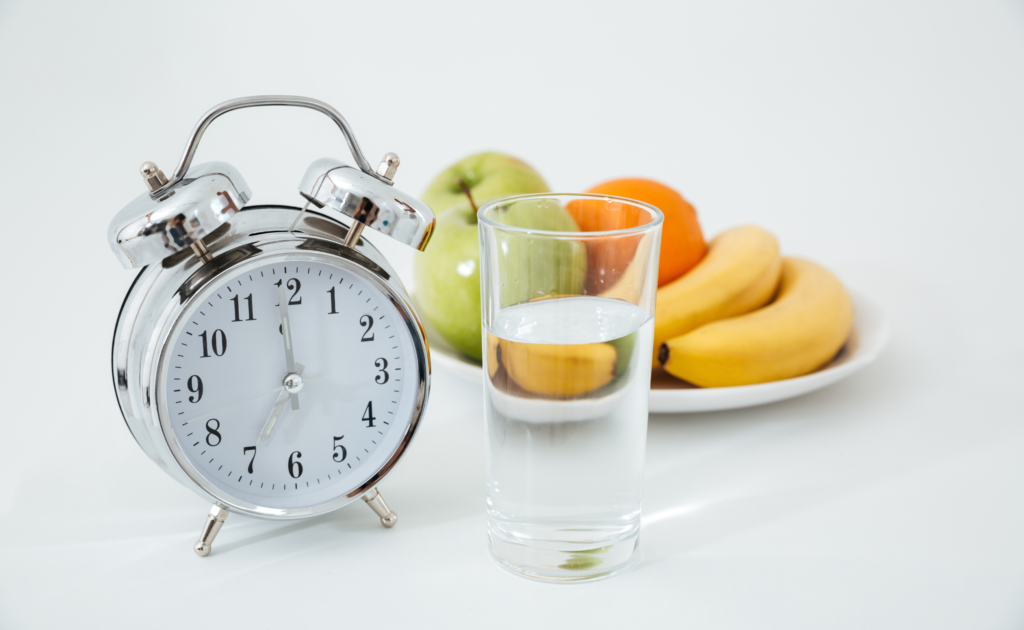
Resveratrol is fat-soluble, meaning it requires dietary fat for proper absorption. Taking it without food may significantly reduce bioavailability.
For best absorption:
- Take resveratrol with meals containing healthy fats (olive oil, nuts, eggs, avocado)
- Avoid taking it while fasting unless using a specialized formulation
- Pairing with absorption enhancers (like micronized or liposomal forms) may help
If fasting is part of your routine, taking resveratrol with the first meal is the most effective workaround.
How Long Does Resveratrol Take to Work?
Resveratrol works gradually and depends on daily consistency, not immediate effects.
- 1–2 weeks: Subtle improvements in energy, focus, or recovery
- 3–4 weeks: Noticeable changes in sleep quality, skin, or metabolic balance
- Long-term use: Supports cellular repair, cardiovascular health, and longevity pathways
Resveratrol is not a stimulant or quick fix. Its real value comes from steady, long-term use aligned with proper timing and absorption.
Can You Take Resveratrol with NMN?
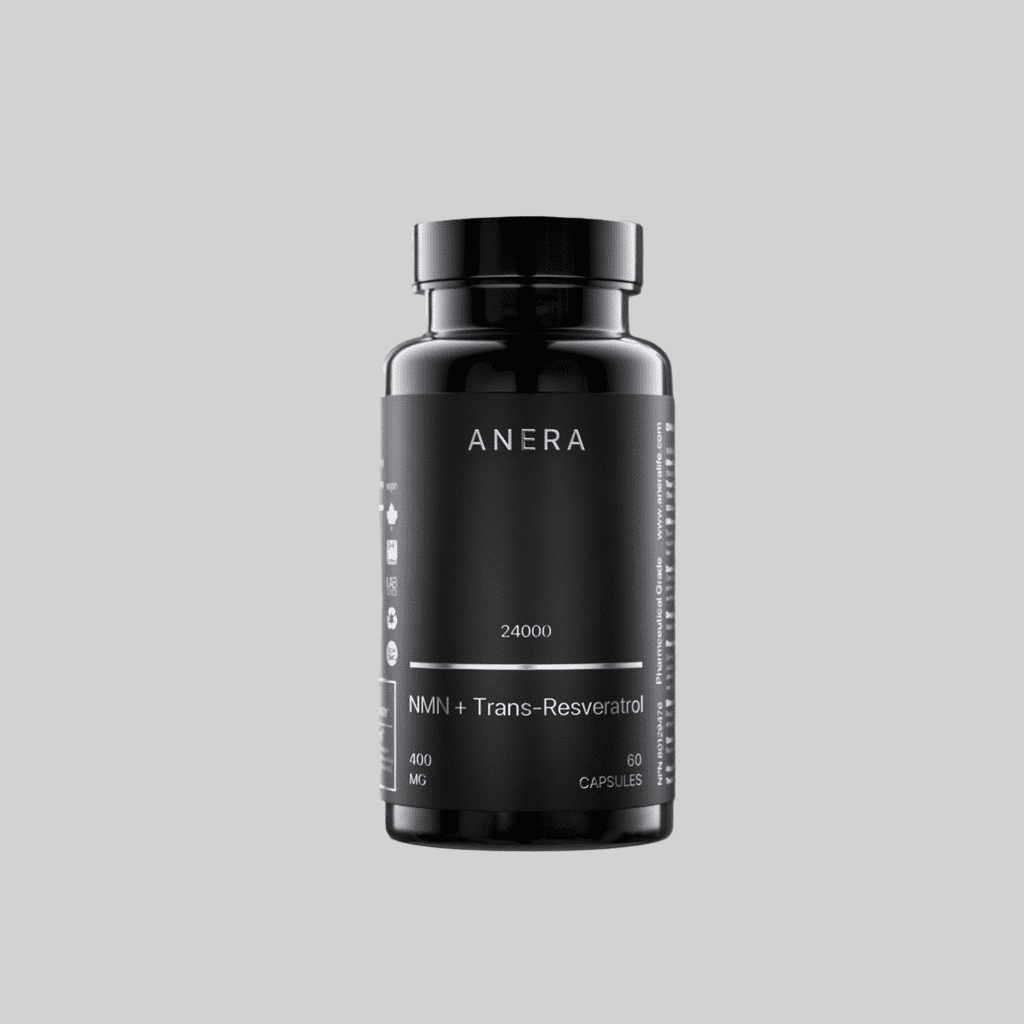
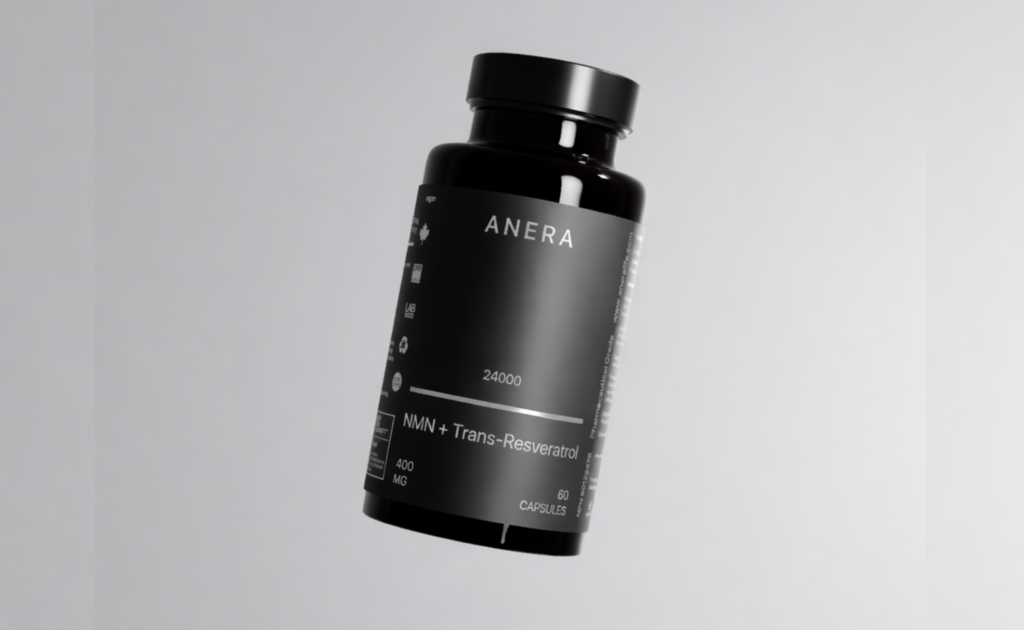
Yes, resveratrol can be taken with NMN, and the combination is commonly used to support cellular energy and healthy aging.
NMN supports NAD⁺ production, which plays a key role in cellular energy. Resveratrol helps activate sirtuins, proteins that rely on NAD⁺ to function efficiently. When used together, they support overlapping longevity-related mechanisms without overlapping effects.
Benefits of Taking Resveratrol and NMN Together
- Supports NAD⁺ availability and utilization
- Enhances cellular energy and repair pathways
- Commonly used in longevity-focused routines
- Complements metabolic and mitochondrial health
Best Time to Take NMN and Resveratrol
- NMN: Morning or early afternoon (supports energy and metabolism)
- Resveratrol: Morning, midday, or night depending on goals
- Together: Often taken in the morning with food for simplicity and adherence
Some users prefer NMN earlier in the day and resveratrol later for recovery-focused routines. Both approaches are valid.
How to Choose the Right Resveratrol Supplement
Not all resveratrol supplements deliver the same results. Quality, formulation, and transparency matter more than high dosages.
What to look for in the best resveratrol supplement:
- High purity trans-resveratrol (the most studied form)
- Absorption support, such as micronized or liposomal delivery
- Effective dosage range: 250 mg–500 mg per serving
- Third-party testing for purity and potency
- No fillers or unnecessary additives
Supplements that clearly disclose sourcing, testing, and formulation standards tend to be more reliable for long-term daily use.
Quick Resveratrol Timing Summary
| Factor | Best Timing |
| Age 18–40 | Evening or night |
| Age 40+ | Midday or early afternoon |
| Energy & blood sugar | Morning |
| Longevity & general health | Afternoon |
| Anti-aging & repair | Night |
| With food | Yes (always) |
| Stack with NMN | Yes (timing adjusted) |
This simple framework helps you build a resveratrol daily routine that fits your body and goals.
Conclusion
The best time to take resveratrol isn’t universal. It depends on your age, goals, and how your body responds. What matters most is aligning timing with absorption, taking it with food, and using it consistently as part of a long-term wellness routine.
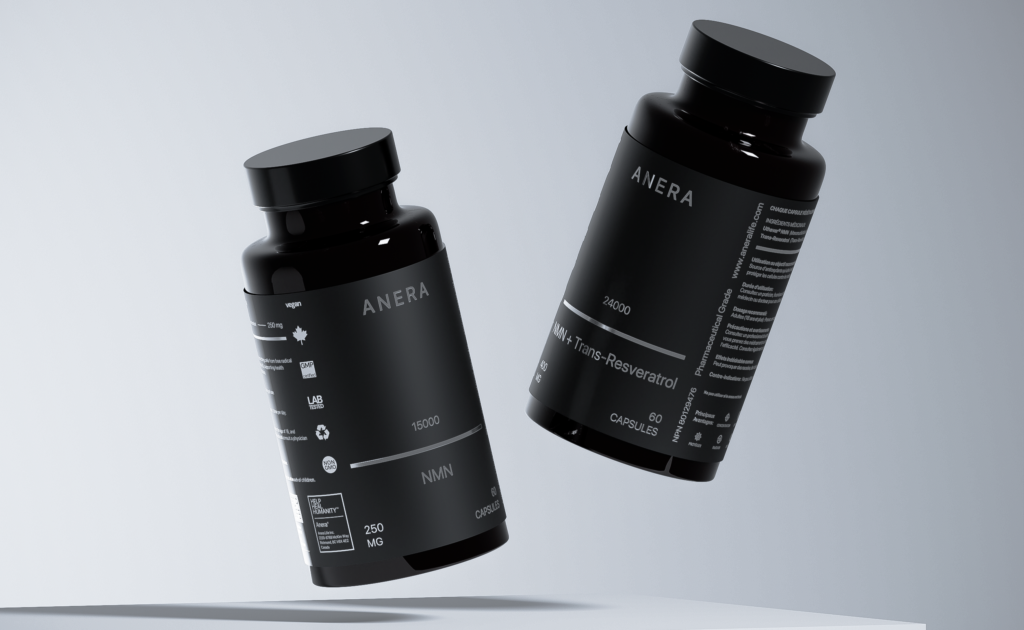
When paired thoughtfully with NMN and a high-quality supplement, resveratrol can fit naturally into a daily longevity strategy. If you’re building a routine focused on purity, transparency, and science-first formulations, exploring trusted options from Anera Life can help you take the next step with confidence.
Frequently Asked Questions
When should I take resveratrol?
Most people should take resveratrol in the morning or midday with food for better absorption and metabolic support. Younger adults focused on anti-aging may prefer evening or nighttime use. The best timing depends on age, health goals, and individual tolerance, but consistency matters more than the exact hour.
Is resveratrol fat soluble?
Yes, resveratrol is fat soluble. This means it absorbs more effectively when taken with meals that contain healthy fats such as olive oil, nuts, or eggs. Taking resveratrol on an empty stomach may significantly reduce bioavailability and limit its overall effectiveness.
Can I take resveratrol every day?
Resveratrol is commonly taken daily as part of a long-term wellness or longevity routine. Daily, consistent use is more effective than occasional dosing, especially for supporting cellular health, metabolism, and antioxidant defenses. Most benefits develop gradually with regular intake over weeks or months.
Can I take resveratrol at night?
Yes, resveratrol can be taken at night, especially if your goal is anti-aging or cellular repair. Nighttime use may align with natural recovery processes during sleep. However, some people find it mildly stimulating, so shifting to earlier evening or midday may work better if sleep is affected.
Should I take resveratrol with NMN?
You can take resveratrol with NMN. NMN supports NAD⁺ levels, while resveratrol helps activate sirtuins that rely on NAD⁺. Together, they are often used in longevity-focused routines. Many people take them in the morning with food, though timing can be adjusted based on goals.
What is the best dosage of resveratrol?
Most high-quality resveratrol supplements provide between 250 mg and 500 mg per day. The best dosage depends on formulation, absorption technology, and individual tolerance. Higher doses are not always better consistency, purity, and taking resveratrol with food are more important than dose alone.
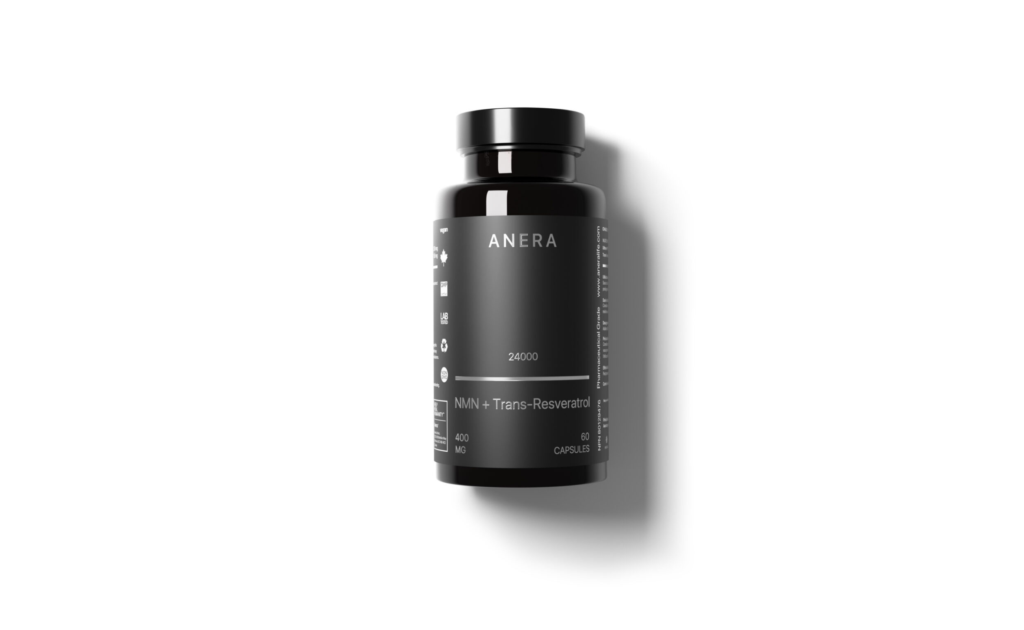
Explore our premium NMN + Trans-Resveratrol supplements and start building your daily longevity stack today.