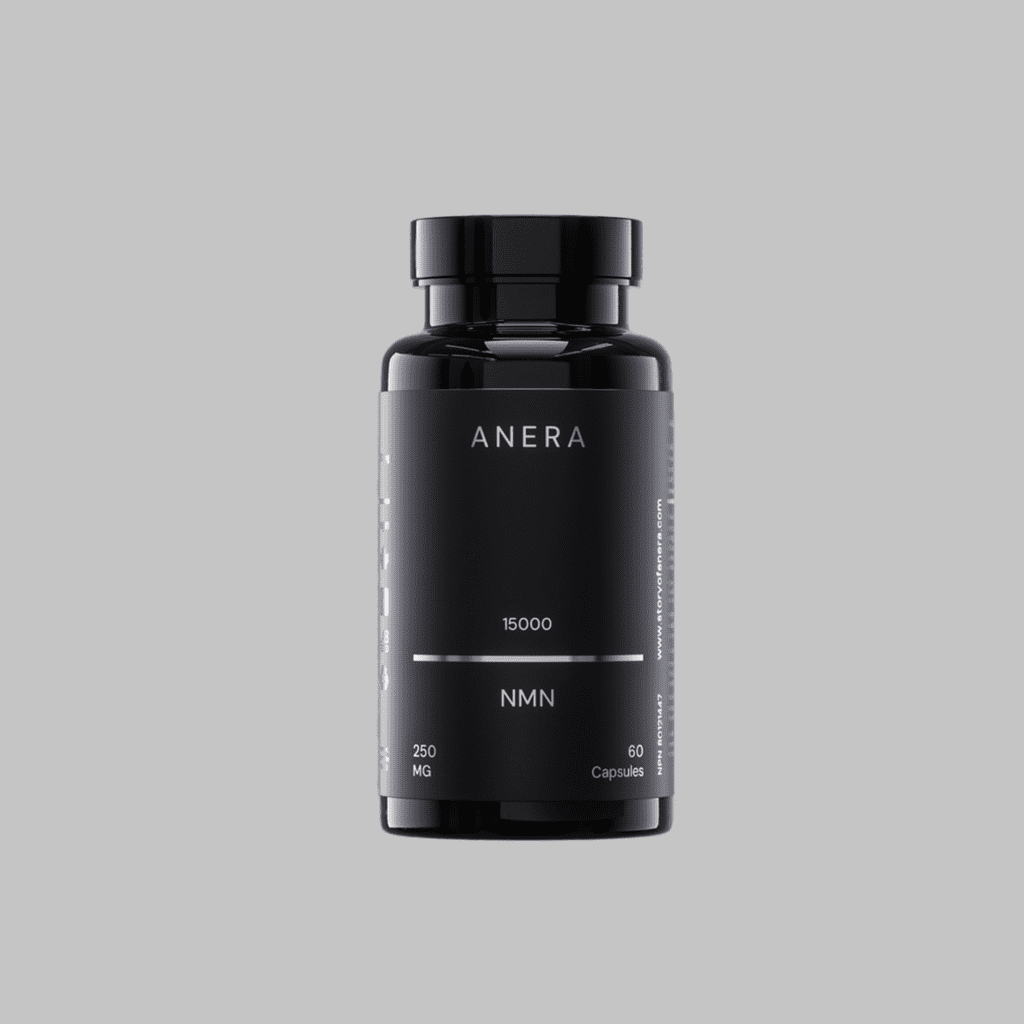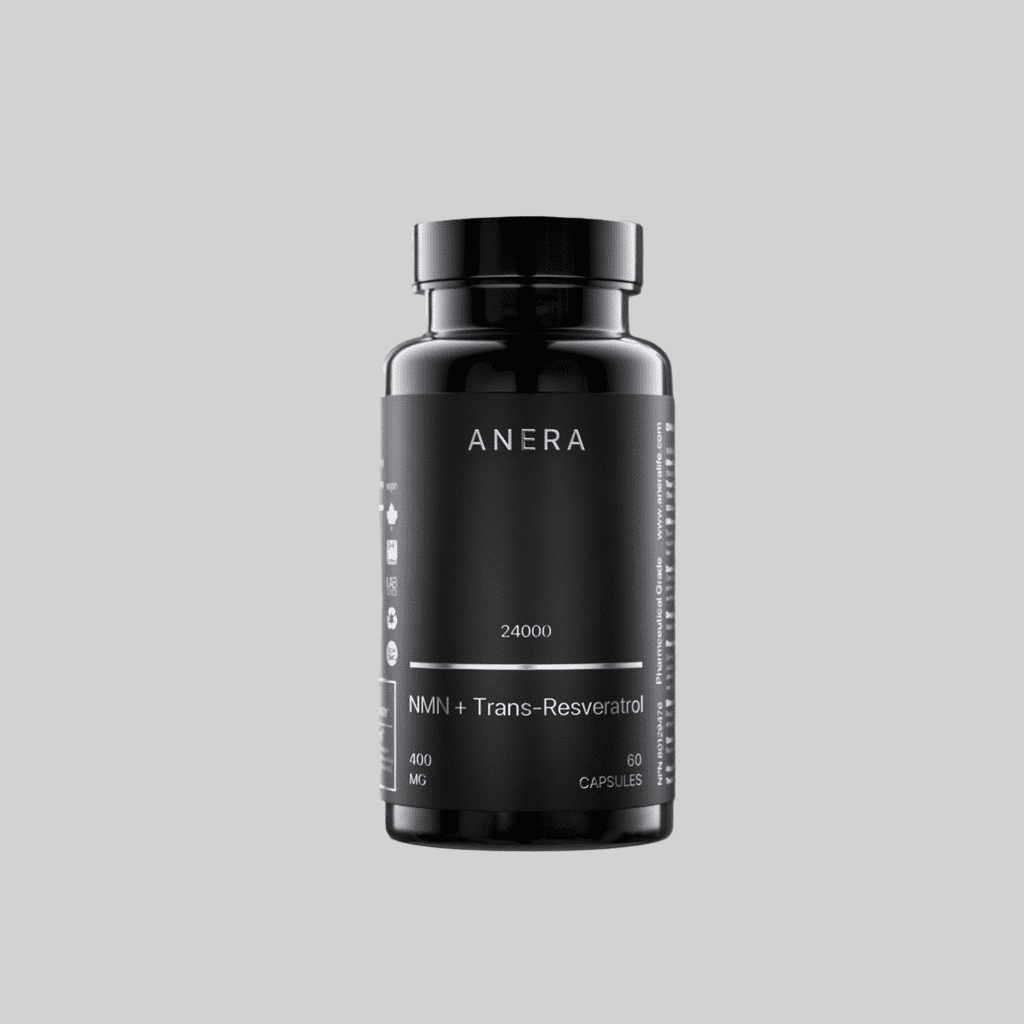
Why NMN Supplement Timing Matters
The best time to take NMN depends on your energy goals, sleep sensitivity, and age. Because NMN increases NAD+ levels, which influence mitochondrial energy and cellular repair, timing can affect how your body responds throughout the day.
Understanding NMN supplement timing starts with how NMN works.
NMN (Nicotinamide Mononucleotide) is a precursor to NAD+ (Nicotinamide Adenine Dinucleotide), a coenzyme involved in:
- Cellular energy production (mitochondrial ATP generation)
- DNA repair processes
- Metabolic regulation
- Healthy aging pathways
When you take NMN, it converts into NAD+, supporting mitochondrial energy output. Since NAD+ levels naturally decline with age, supplementation may help restore cellular efficiency.
However, NAD+ does not remain constant throughout the day.
NMN and Circadian Rhythm
NMN interacts with your circadian rhythm because NAD+ levels naturally fluctuate throughout the day. Morning intake aligns with metabolic activation, while nighttime dosing may support cellular repair in some older adults.
Your circadian rhythm controls:
- Sleep–wake cycles
- Hormone release
- Metabolic activity
- DNA repair timing
Research suggests NAD+ circadian rhythm patterns peak during active hours and decline during rest.
Here’s how that translates practically:
- Morning → metabolic activation phase
- Night → repair and recovery phase
Because NMN supports NAD+ production, it may feel more energizing when taken during your body’s natural activation window.
However, age changes this equation.
Older adults often experience reduced NAD+ levels and altered circadian signaling. In some cases, carefully timed evening dosing may support overnight recovery rather than disrupt sleep.
This is why a blanket rule does not work for everyone.
Can You Take NMN at Night?

Yes, you can take NMN at night. NMN is not a stimulant like caffeine, and it does not directly trigger the nervous system. However, because it increases NAD+ levels and supports mitochondrial energy production, some individuals may feel a mild energy lift. For sensitive sleepers, this could make it harder to fall asleep.
For others, especially adults over 50, nighttime dosing may support recovery and cellular repair. Whether NMN is safe at night depends on your dose, age, and sleep response. If unsure, start in the morning and monitor how your body reacts before experimenting with evening use.
Should I Take NMN in the Morning or at Night?
For most people, morning is ideal. It aligns with your body’s natural NAD+ peak and supports daytime energy. However, some adults, particularly over 50, may benefit from split or carefully tested evening dosing.
There is no universal “perfect” time. The best timing depends on your goal.
Because NMN increases NAD+ production, and NAD+ supports mitochondrial energy, the timing can influence how noticeable the effects feel.
Below is a simplified comparison to guide your decision.
NMN Night vs Morning Benefits (Comparison Table)
| Goal | Best Time | Why |
| Energy & focus | Morning | Aligns with NAD+ daytime peak |
| Workout support | Morning | Supports mitochondrial energy output |
| Anti-aging longevity | Morning or split | Helps stabilize NAD+ levels |
| Recovery (50+) | Evening (trial) | May support overnight repair |
| Sensitive sleepers | Morning | Reduces risk of alertness at night |
This table addresses one of the most searched questions:
Is it better to take NMN in the morning?
For most healthy adults — yes.
Morning dosing supports metabolic activation, which matches how your body naturally operates.
However, advanced users sometimes experiment with split dosing to maintain more stable NAD+ levels throughout the day.
If you’re new to supplementation, start simple:
- 250–500 mg in the morning
- Take consistently
- Monitor energy and sleep
You can explore more advanced timing strategies later.
What Happens If You Take NMN at Night?
Taking NMN before bed may either support overnight repair or cause mild alertness, depending on your sensitivity. NMN does not act like caffeine, but it can increase cellular energy, which some people perceive as stimulation.
Let’s break this down clearly.
Possible Benefits of NMN Energy at Night
- May support overnight DNA repair
- May help reduce evening fatigue
- May support recovery in older adults
- Could stabilize NAD+ levels in split-dose users
Because NAD+ plays a role in cellular repair pathways, some believe nighttime dosing aligns with recovery processes.
This may be particularly relevant for adults over 60 with declining NAD+ levels.
Possible Downsides
- Some individuals feel slightly alert
- Mild energy lift in sensitive users
- Higher doses (500 mg+) may feel activating
One common concern is:
Does NMN increase energy immediately?
In most cases, NMN does not create an immediate stimulant-like effect. Its impact is cellular, not neurological. However, improved mitochondrial efficiency can feel like increased alertness in certain individuals.
If you are highly sensitive to supplements, avoid first-time dosing at night.
Does NMN Affect Sleep?
NMN does not directly cause insomnia, and it is not a stimulant. However, because it increases NAD+ and supports cellular energy, some people may feel more alert. Sleep response varies individually, so morning dosing is generally safer for those concerned about sleep disruption.
Let’s clarify further.
Is NMN Stimulating?
No. NMN does not act on adrenaline pathways or block adenosine like caffeine.
Instead, it supports:
- Mitochondrial ATP production
- Metabolic efficiency
- DNA repair
- Cellular resilience
Because of this, the sensation is different from stimulants.
However, improved energy metabolism may feel noticeable — especially if you previously had low NAD+ levels.
Can NMN Disrupt Sleep?
For most people, no.
But it can in certain cases:
- Very high doses
- Taking NMN for the first time at night
- Individuals with pre-existing insomnia
- Highly stimulant-sensitive individuals
If concerned, use this testing method:
- Start with morning dosing for 1–2 weeks
- Track sleep quality
- If stable, experiment with a small evening split dose (125–250 mg)
This approach reduces risk while helping you optimize your personal NMN supplement timing guide.
Best Time to Take NMN Based on Age
The best time of day to take NMN supplement varies by age. Adults under 45 typically benefit from morning dosing, while those over 50 may experiment with split or evening timing to support recovery and declining NAD+ levels.

Age influences how your body produces and utilizes NAD+.
As NAD+ naturally declines over time, the metabolic response to NMN changes. That’s why nmn timing by age is often overlooked — yet extremely important.
Ages 30–45 → Morning Preferred
For younger adults:
- NAD+ levels are declining but still functional
- Metabolism is generally responsive
- Energy demands are high
Morning dosing supports:
- Workout performance
- Mental clarity
- Daytime productivity
If you’re asking, “Should I take NMN before bed?” — at this age, morning remains the safer and more aligned option.
Ages 45–60 → Morning or Split Dose
This stage is where personalization becomes more relevant.
Consider:
- 250 mg morning
- Optional 125–250 mg early evening
This may help maintain steadier NAD+ levels throughout the day.
Many in this group search for:
best time to take NMN over 50
The answer often depends on energy sensitivity and sleep quality.
Ages 60+ → Consider Evening Trial
Older adults often experience:
- Lower baseline NAD+
- Slower cellular repair
- Altered circadian signaling
In some cases, evening NMN may support overnight recovery. However:
- Start low (250 mg)
- Avoid first-time high doses at night
- Track sleep patterns
If unsure, consult a healthcare professional — especially if managing chronic conditions.
Can I Take NMN Twice a Day?
Yes, you can take NMN twice a day. Split dosing (For example: 250 mg in the morning and 250 mg in the afternoon) may help stabilize NAD+ levels and reduce the chance of feeling overstimulated from a single larger dose.
This strategy is often used by experienced supplement users.
Why Split Dosing Works
Instead of taking 500 mg at once, dividing the dose may:
- Support more consistent NAD+ production
- Reduce perceived stimulation
- Support sustained energy
- Improve tolerance in sensitive individuals
Common structure:
- 250 mg morning
- 250 mg early afternoon or early evening
Avoid taking the second dose too close to bedtime unless you have already tested your tolerance.
Who Benefits Most from Twice-Daily NMN?
- Adults over 45
- Those using higher total daily doses
- Individuals focused on longevity optimization
- People noticing energy dips in late afternoon
When considering how often should I take NMN, consistency matters more than frequency. Daily use at a research-backed dosage (typically 250–500 mg) is standard in most protocols.
Is NMN Safe at Night?
NMN is generally safe at night for most healthy adults. Side effects are rare and typically mild. However, those who are pregnant, managing chronic illness, or taking medications should consult a healthcare professional before use.
Let’s address safety directly.
NMN Safety Profile
Current human studies suggest NMN is:
- Well tolerated
- Non-habit forming
- Not a stimulant
- Safe within researched dosages
Reported side effects (uncommon and mild):
- Digestive discomfort
- Mild headache
- Temporary alertness
There is no strong evidence suggesting significant NMN side effects at night, but individual response varies.
How to Choose a High-Quality NMN Supplement
To choose a high-quality NMN supplement, look for 99%+ purity, third-party testing, GMP-certified manufacturing, stable protective packaging, and research-backed dosages between 250–500 mg. Quality and transparency matter more than timing for long-term results.
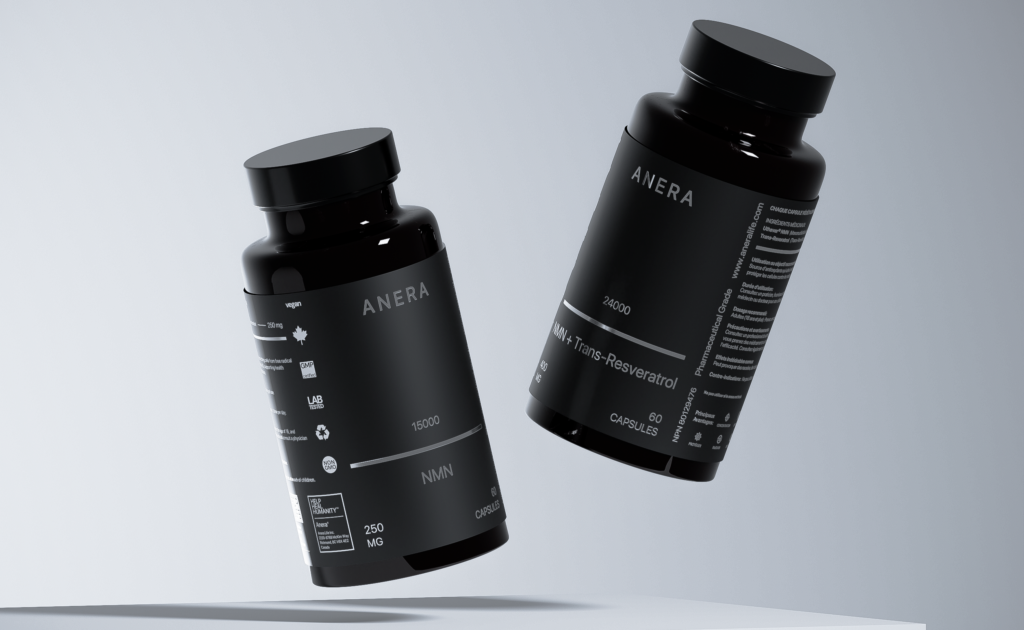
When researching the best NMN supplement, focus on objective quality signals — not bold marketing claims.
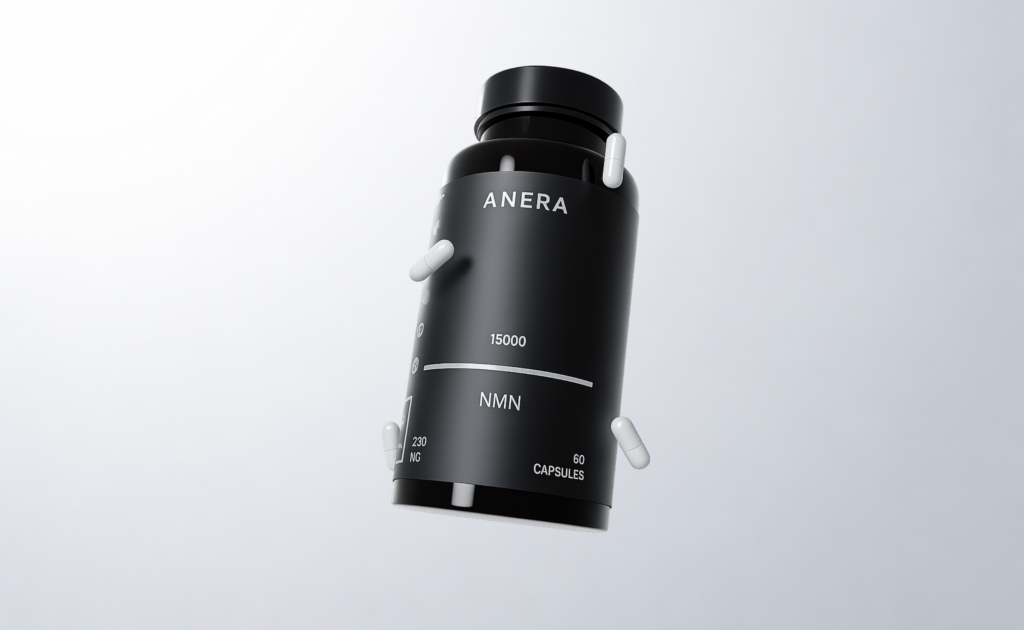
How Anera Life Aligns with These Standards
Anera Life follows a science-first longevity approach by offering:
- 99%+ pharmaceutical-grade NMN
- Third-party tested batches
- GMP manufacturing standards
- No fillers or unnecessary additives
- UV-protected glass packaging
Rather than focusing on aggressive marketing claims, the emphasis remains on long-term safety, purity, and measurable quality.
Conclusion
You can take NMN at night, but the best approach depends on your age, energy sensitivity, and goals. For most people, starting with morning dosing aligns better with natural NAD+ rhythms and reduces the chance of sleep disruption. Older adults or experienced users may benefit from split or carefully tested evening dosing.
The key is consistency, proper dosage (250–500 mg), and choosing a high-quality, third-party tested supplement. Timing can fine-tune results, but purity and formulation matter more long term. Start simple, monitor your response, and adjust thoughtfully to build a sustainable NMN routine that supports energy, recovery, and healthy aging.
Frequently Asked Questions
Can I take NMN before bed?
Yes, NMN can be taken before bed, but it may not be ideal for everyone. Because NMN supports cellular energy production, some individuals feel more alert when taking it late in the evening. Starting with morning dosing and cautiously testing lower evening doses helps determine personal tolerance.
Does taking NMN affect sleep?
NMN does not directly affect sleep or act as a stimulant like caffeine. However, by enhancing cellular energy efficiency, it may cause mild alertness in sleep-sensitive individuals if taken close to bedtime. Sleep response varies based on dosage, timing, age, and individual metabolic sensitivity.
Can NMN improve sleep?
NMN may indirectly support sleep quality, especially in older adults, by promoting cellular repair and reducing evening fatigue. While it is not a sleep aid, improved mitochondrial function and metabolic balance may contribute to better nighttime recovery when NMN is taken earlier in the day.
Can I take NMN after dinner?
Yes, NMN can be taken after dinner, particularly if the meal is light. To reduce the risk of sleep disruption, many people avoid taking NMN within two to three hours of bedtime and keep evening doses lower than morning amounts for better tolerance.
Should you take NMN on an empty stomach or a full stomach?
NMN is often taken on an empty stomach to support faster absorption, but it can also be taken with food if digestive discomfort occurs. Both methods are effective, and consistent daily use with appropriate timing matters more than whether NMN is taken with or without meals.
To learn more about our mission, science, and NMN products, visit AneraLife.com