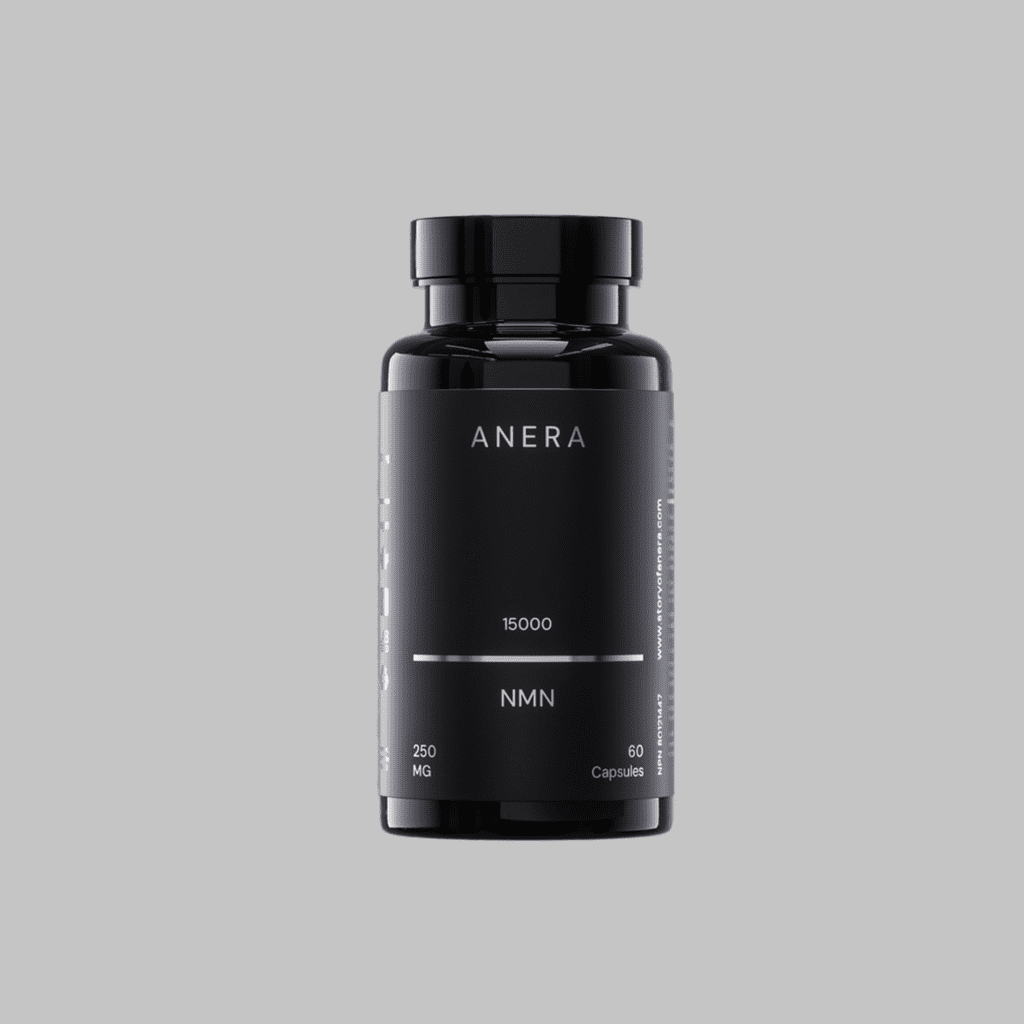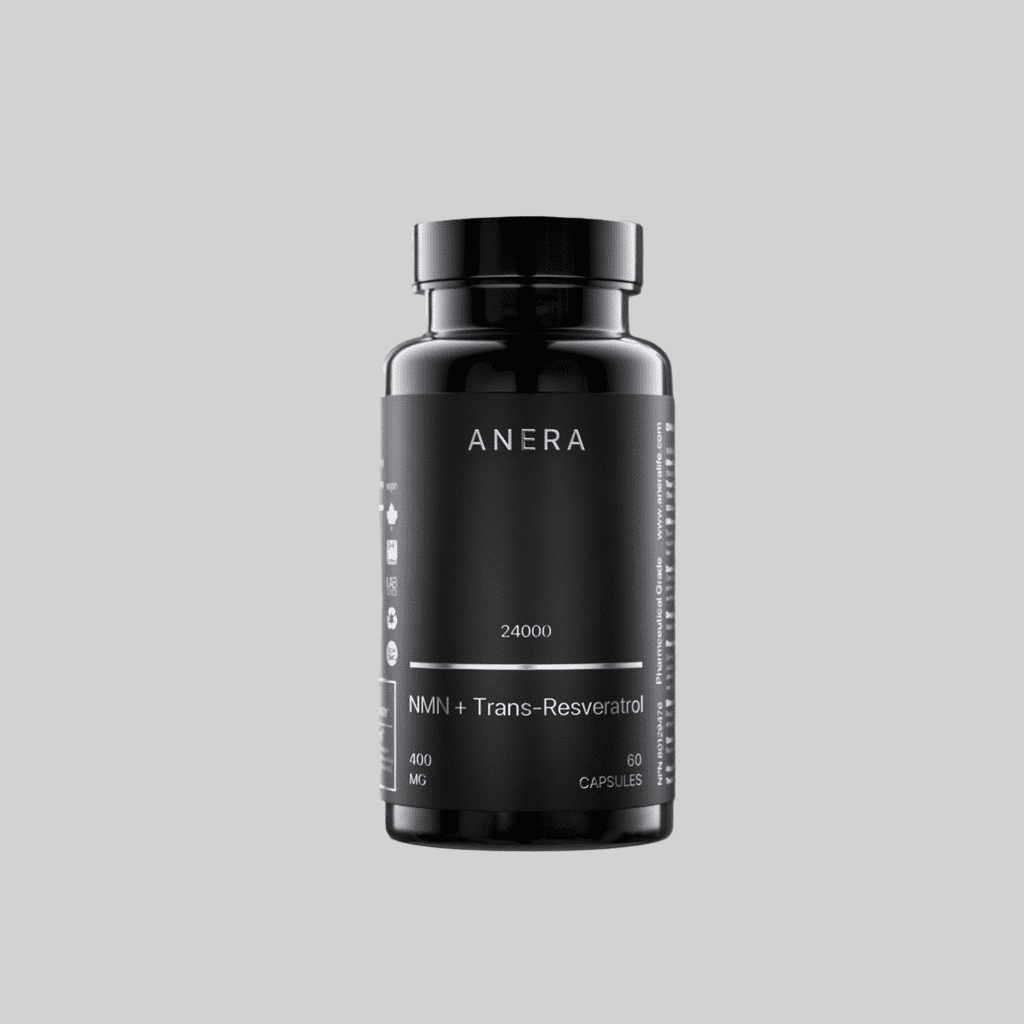
NMN (nicotinamide mononucleotide) is a powerful compound gaining attention for its role in healthy aging, energy production, and cellular repair. As a direct precursor to NAD⁺ (nicotinamide adenine dinucleotide), NMN plays a critical role in maintaining cellular function and metabolic health.
NMN supplements are used to boost NAD⁺ levels, which decline with age and impact energy, metabolism, and cellular repair. People take NMN to support longevity, improve vitality, and enhance overall wellness, though understanding its benefits, risks, and proper dosage is essential.
This guide explores the NMN Supplement Benefits, potential side effects, and optimal dosage strategies, helping you make informed decisions aligned with your health goals.
What is NMN & How it Works?
NMN is a naturally occurring molecule found in small amounts in foods like broccoli, avocado, and edamame. It is a key intermediate in the NAD⁺ biosynthesis pathway, meaning your body converts NMN into NAD⁺ to fuel essential biological processes.
NMN works by increasing NAD⁺ levels in the body. NAD⁺ is essential for energy production, DNA repair, and regulating cellular health. By supplementing NMN, users aim to restore declining NAD⁺ levels associated with aging.
Once absorbed, NMN enters cells and participates in biochemical reactions that restore NAD⁺ levels. This process supports mitochondrial function, which is crucial for energy production and metabolic balance.
NMN to NAD⁺ Conversion
NMN is converted into NAD⁺ through a series of enzymatic reactions, primarily involving the enzyme NMNAT (nicotinamide mononucleotide adenylyltransferase). A key discovery in recent years is the identification of specific NMN transporters that allow NMN to enter cells efficiently.
NMN converts into NAD⁺ through enzymatic processes inside cells. This increase in NAD⁺ activates proteins called sirtuins, which regulate aging, inflammation, and metabolic health.
Sirtuins are often referred to as “longevity proteins” because they influence gene expression, cellular repair, and stress resistance.
NAD+ and Aging
As we age, NAD⁺ levels decline significantly, leading to reduced cellular energy, impaired DNA repair, and increased oxidative stress. This decline is closely linked to aging-related conditions such as fatigue, metabolic disorders, and cognitive decline.
NAD⁺ levels decrease with age, reducing the body’s ability to produce energy and repair cells. This contributes to common aging symptoms like low energy, slower metabolism, and reduced resilience.
Low NAD⁺ levels can negatively impact:
- Cellular energy production
- DNA repair mechanisms
- Inflammation control
Benefits of NMN Supplements
NMN supplements are studied for their wide-ranging effects on health, particularly in aging, metabolism, and brain function.
The main NMN supplement benefits include improved energy production, better metabolic function, enhanced cognitive support, and potential cardiovascular health improvements.
In the next sections, we break down these benefits with supporting research and real-world relevance.
Cellular Energy & Metabolism
One of the most well-documented NMN Supplement Benefits is its impact on cellular energy production. NAD⁺ plays a central role in mitochondrial function, which generates ATP the body’s primary energy currency.
NMN boosts energy by increasing NAD⁺ levels, which improves mitochondrial function and ATP production. This can enhance physical performance, endurance, and overall vitality.
Research suggests:
- Improved muscle endurance and oxygen utilization
- Enhanced mitochondrial efficiency
- Increased physical performance in aging populations
A clinical study showed that daily NMN supplementation improved walking distance and physical endurance in older adults, highlighting its role in functional health.
Cognitive & Brain Health
NMN has gained attention for its potential to support brain function and protect against age-related cognitive decline. Since NAD⁺ is essential for neuronal health, maintaining its levels may help preserve memory and mental clarity.
NMN may support brain health by increasing NAD⁺ levels, which help protect neurons, improve cognitive function, and reduce oxidative stress in the brain.
Preclinical studies suggest NMN can:
- Enhance neuronal energy metabolism
- Support synaptic function and communication
- Reduce inflammation and oxidative damage
Some early-stage human data also indicate improvements in focus and mental performance, though more large-scale trials are needed. For biohackers and longevity enthusiasts, this makes NMN a promising option for maintaining long-term brain health.
Cardiovascular Health
Heart health is another area where NMN shows potential benefits. NAD⁺ plays a role in maintaining vascular function, supporting blood flow, and regulating inflammation, all essential for cardiovascular wellness.
NMN may improve cardiovascular health by enhancing blood vessel function, supporting circulation, and helping regulate blood pressure and cholesterol levels.
Emerging research suggests NMN may:
- Improve endothelial function (lining of blood vessels)
- Support healthy blood pressure levels
- Reduce arterial stiffness
A 2023 clinical study reported that higher NMN intake was associated with improvements in blood pressure and cholesterol markers. While promising, these findings should be interpreted with caution due to limited long-term human data.
Metabolic & Anti-Aging Effects
Among the most compelling NMN Supplement Benefits are its effects on metabolism and biological aging. NMN influences pathways linked to longevity, including sirtuins and cellular repair systems.
NMN may support anti-aging by improving insulin sensitivity, enhancing metabolic efficiency, and activating longevity-related pathways like sirtuins.
Key metabolic and anti-aging benefits include:
- Improved insulin sensitivity in prediabetic individuals
- Better glucose metabolism and energy balance
- Activation of sirtuins linked to longevity
- Support for cellular repair and DNA stability
Some research also suggests NMN may influence telomere health structures that protect DNA and are associated with aging. While not a “cure” for aging, NMN targets foundational biological processes that contribute to healthier aging.
NMN Side Effects & Safety
While NMN is generally considered safe, it’s important to evaluate both short-term tolerance and potential long-term risks before adding it to your routine.
NMN supplements are generally well-tolerated in healthy adults, with mild side effects reported in some cases. However, long-term safety data is still limited.
Short-Term Side Effects
Most clinical studies show that NMN is safe at commonly used doses, with only minor side effects reported.
Short-term NMN side effects are usually mild and may include digestive discomfort, such as bloating or nausea, especially at higher doses.
Reported side effects include:
- Mild gastrointestinal issues (gas, bloating, diarrhea)
- Occasional headaches
- Rare dizziness or discomfort
These effects are typically temporary and may be reduced by adjusting dosage or taking NMN with food.
Long-Term Safety & Risks
Long-term research on NMN is still developing, which means some risks remain theoretical rather than confirmed.
Long-term NMN safety is not fully established, and there are concerns about how sustained NAD⁺ elevation may affect certain health conditions, including cancer risk.
Key considerations:
- Limited long-term human studies
- Theoretical risk: elevated NAD⁺ may support rapid cell growth (including harmful cells)
- Not recommended for individuals with specific medical conditions without professional guidance
Additionally, regulatory developments have impacted NMN availability in certain markets, highlighting the importance of choosing high-quality, compliant products.
NMN Dosage and Usage
Understanding the correct dosage is essential to maximize NMN Supplement Benefits while minimizing potential side effects. Clinical research provides a general framework, but individual needs may vary based on age, health status, and goals.
Most NMN studies use daily doses between 250 mg and 1,250 mg. Beginners often start with 250–500 mg per day and adjust based on response and health goals.
Clinical Dose Ranges
Clinical trials and human studies have explored a range of NMN dosages, helping establish safe and effective intake levels.
Effective NMN doses typically range from 250 mg to 900 mg daily, with some studies safely using up to 1,000–1,250 mg under controlled conditions.
General dosage guidelines:
- Beginner: 250–500 mg/day
- Intermediate: 500–750 mg/day
- Advanced / clinical range: 750–1,000+ mg/day
Many commercially available supplements use around 300 mg per serving, aligning with moderate daily intake.
Practical Tip: Start with a lower dose and gradually increase to assess tolerance and effectiveness.
Timing and Formulation
How and when you take NMN can influence how your body responds, especially in terms of energy and absorption.
NMN is commonly taken in the morning to support energy levels, though some research suggests afternoon dosing may enhance alertness in certain individuals.
Best practices:
- Morning intake: Aligns with natural energy cycles
- Split dosing: For example, 300 mg twice daily for sustained NAD⁺ support
- Form options: Capsules, tablets, or powder
Storage and stability tips:
- Keep NMN in a cool, dry place
- Avoid exposure to light and moisture
- Use airtight containers for powders
Natural Sources of NMN
Although NMN supplements are the most efficient way to increase intake, small amounts of NMN are naturally found in certain foods.
Foods like edamame, broccoli, avocado, and cabbage contain small amounts of NMN, but dietary intake alone is typically insufficient to significantly raise NAD⁺ levels.
Common NMN-containing foods:
- Edamame
- Broccoli
- Avocado
- Cabbage
- Cucumber
However, the NMN content in these foods is relatively low. For example, you would need to consume large quantities daily to match even a low-dose supplement.
Lifestyle factors that support NAD⁺ naturally:
- Regular exercise
- Calorie balance or intermittent fasting
- Quality sleep
NMN vs Other NAD+ Precursors
NMN is not the only supplement designed to boost NAD⁺ levels. Other common precursors include NR (nicotinamide riboside) and niacin (vitamin B3).
NMN, NR, and niacin all increase NAD⁺ levels, but they differ in absorption, conversion pathways, and efficiency.
Comparison Overview
| Compound | Key Feature | Consideration |
| NMN | Direct NAD⁺ precursor | Requires transporter for cell entry |
| NR | Converts to NMN first | May be more efficient in some cases |
| Niacin | Traditional vitamin B3 | Can cause flushing at high doses |
Key differences:
- NMN is one step closer to NAD⁺ in the conversion pathway
- NR may have higher bioavailability in some forms
- Niacin is widely available but less targeted for longevity
Importantly, NAD⁺ itself cannot be effectively taken as a supplement because it is not easily absorbed into cells.
Conclusion
NMN has emerged as one of the most promising compounds in the longevity and wellness space. From improving cellular energy to supporting metabolic and cognitive health, the NMN Supplement Benefits are backed by growing scientific interest and early human research.
At the same time, it’s important to approach NMN with a balanced perspective, understanding proper dosage, potential side effects, and the importance of high-quality supplementation.
If you’re looking to optimize your energy, support healthy aging, and build a smarter supplement routine, NMN can be a valuable addition.
Frequently Asked Questions
What are the main NMN supplement benefits?
NMN supplement benefits include increased energy, improved metabolism, enhanced brain function, and support for healthy aging. It works by boosting NAD⁺ levels, which help cells produce energy, repair DNA, and maintain overall cellular health and longevity.
Is NMN safe to take daily?
NMN is generally safe for daily use in healthy adults when taken within recommended doses, typically 250–1000 mg. Most studies report minimal side effects, but long-term safety is still being researched, so medical advice is recommended for certain individuals.
How long does it take for NMN to work?
Some people notice increased energy within days or weeks, while benefits like improved metabolism and cognitive function may take several weeks. Results vary based on dosage, consistency, age, and overall health, as NMN supports gradual cellular improvements.
What is the best time to take NMN?
NMN is usually taken in the morning to align with natural energy cycles and support daily activity. Some users split doses between morning and afternoon to maintain stable NAD⁺ levels and sustain energy throughout the day.
Can NMN help with anti-aging?
NMN may support healthy aging by increasing NAD⁺ levels, which activate cellular repair and longevity pathways like sirtuins. It helps address energy decline and metabolic slowdown, but it is not a cure and should be part of a broader wellness strategy.