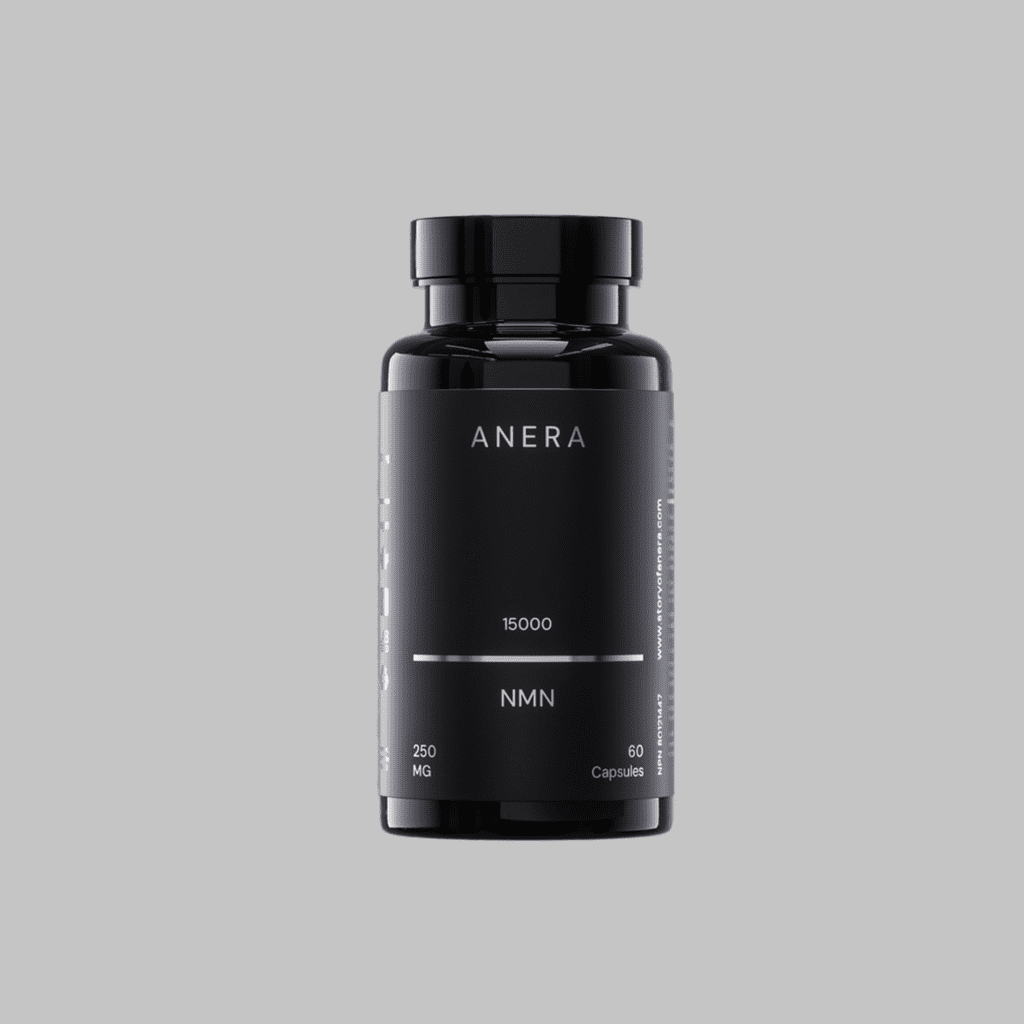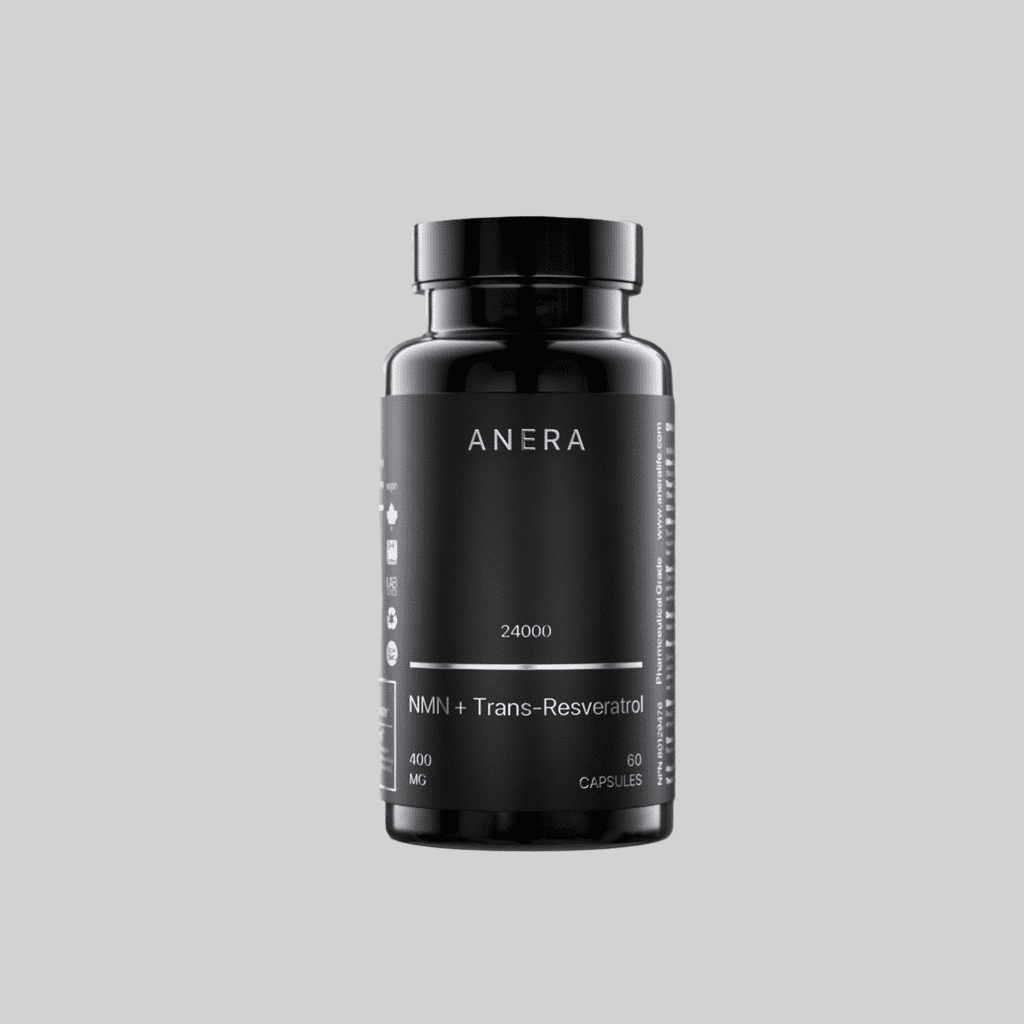
Most people stop taking NMN due to lack of noticeable benefits, mild side effects, high cost, product quality issues, or regulatory confusion. Research shows NMN can raise NAD⁺ levels, but results vary based on dose, purity, duration, and individual health status.
What Is NMN and Why Did It Become Popular?
NMN became popular because it supports NAD⁺ production, which plays a key role in cellular energy, metabolism, and healthy aging.
NMN (Nicotinamide mononucleotide) is a naturally occurring compound involved in the body’s production of NAD⁺ (nicotinamide adenine dinucleotide). NAD⁺ is essential for:
- Cellular energy production
- Metabolic efficiency
- DNA repair and cellular maintenance
As NAD⁺ levels naturally decline with age, interest in NMN grew within longevity and wellness research. Early studies suggested NMN supplementation could help raise NAD⁺ levels, leading to increased energy and improved cellular function in certain populations.
This scientific foundation, combined with rising consumer interest in healthy aging, positioned NMN as a promising wellness supplement. However, real-world experiences have shown that results are not universal, which explains why many users eventually reconsider or stop taking NMN.
Why People Stop Taking NMN
1. No Noticeable Results
NMN doesn’t work for everyone because benefits depend on baseline health, dosage, consistency, and duration of use.
Although NMN has been shown to increase NAD⁺ levels, this biochemical change doesn’t always translate into noticeable improvements in energy, focus, or performance. Many users expect fast or dramatic effects, but NMN is not a stimulant.
Common reasons people report no noticeable results include:
- Stopping too early (before 4–8 weeks)
- Inconsistent daily use
- Dosage that doesn’t match individual needs
- Already having relatively healthy baseline NAD⁺ levels
For individuals with good sleep, regular exercise, and balanced nutrition, NMN effects may feel subtle rather than obvious.
2. NMN Supplement Quality Issues
Poor NMN supplement quality is one of the most common reasons people quit NMN.
Not all NMN supplements are manufactured to the same standard. Quality issues can significantly affect effectiveness and trust.

Key problems seen in low-quality NMN products include:
- Low purity or degraded NMN
- Exposure to heat and moisture reduces stability
- Inaccurate dosage labeling
- Lack of third-party testing or COA
- Non-GMP manufacturing practices
NMN is highly sensitive to environmental conditions. Without stability-protected packaging and verified purity, users may unknowingly consume a product that delivers far less active NMN than stated on the label.
This quality inconsistency often leads to disappointing results and contributes to the perception that NMN “doesn’t work.”
3. Mild Side Effects
NMN side effects are usually mild, temporary, and dose-related, but they can still cause users to stop.
Some individuals experience:
- Digestive discomfort
- Headache or flushing
- Sleep disturbances when taken late in the day
These effects are generally linked to dosage or timing rather than toxicity. However, even mild discomfort can discourage continued use especially when benefits are not immediately noticeable.
4. FDA & Regulatory Confusion
Regulatory uncertainty around NMN creates consumer hesitation and trust issues.
NMN’s classification has been complicated by its prior investigation as a potential drug, leading to confusion around its status as a dietary supplement in certain markets. This regulatory ambiguity has caused:
- Market inconsistency
- Brand removals and relabeling
- Increased consumer uncertainty
For many users, unclear regulatory signals raise concerns about long-term availability, legality, and safety prompting them to stop taking NMN altogether.
Is NMN Unsafe? What the Science Actually Says
Current human studies suggest NMN is generally well tolerated in the short term, but long-term human data is still limited.
Concerns about NMN safety are common, especially among users who eventually stop taking NMN due to uncertainty rather than adverse effects. Here’s what the science shows so far:
- Human trials indicate NMN can increase NAD⁺ levels without serious adverse effects
- Most studies report good tolerability at commonly used doses
- Observed side effects are typically mild and temporary
However, it’s important to note that:
- Most human studies are short-term
- Long-term safety data is still emerging
- There is no conclusive evidence linking NMN to increased cancer risk in humans
Because NAD⁺ plays a role in cellular growth and repair, some theoretical concerns exist. This is why responsible guidance recommends that individuals with existing medical conditions consult a healthcare professional before long-term NMN use.
From an evidence-based perspective, NMN is not considered unsafe, but it is also not fully understood over decades of continuous use.
What Happens When You Stop Taking NMN?
When you stop taking NMN, NAD⁺ levels gradually return to baseline over days or weeks, with no withdrawal or dependency.

NMN does not create dependence, and stopping NMN does not cause withdrawal symptoms. Unlike stimulants or hormones, NMN works by supporting existing metabolic pathways rather than overriding them.
Common experiences after stopping NMN include:
- NAD⁺ levels slowly declining back to pre-supplement levels
- Possible reduction in perceived energy or endurance (if benefits were felt)
- No rebound fatigue or physiological crash
The timeline varies by individual, but most changes occur within days to weeks, depending on lifestyle factors such as sleep, exercise, and nutrition.
This predictable return to baseline is one reason NMN is viewed as a supportive wellness supplement, not a dependency-forming compound.
How Long Does NMN Stay Active in the Body?
NMN is rapidly metabolized; NAD⁺ levels peak within hours and decline within 12–24 hours.
NMN does not accumulate in the body long term. After ingestion:
- NMN is absorbed and converted into NAD⁺
- NAD⁺ levels typically peak a few hours after intake
- Levels begin to decline within 12–24 hours
This short activity window explains why NMN is generally taken daily rather than intermittently. Skipping doses doesn’t cause harm, but it does reduce consistency in NAD⁺ support.
For many users, this daily requirement becomes a deciding factor when weighing cost, convenience, and long-term commitment.
When Does Continuing NMN Make Sense?
Continuing NMN may make sense when product quality, duration, and lifestyle alignment are optimized.
NMN is more likely to deliver value when users meet these conditions:
- Use a high-purity, third-party tested NMN supplement
- Commit to at least 6–8 weeks of consistent use
- Follow proper timing and dosage guidelines
NMN works best as part of a broader wellness routine rather than as a standalone solution. Users who treat it as a “quick fix” are far more likely to quit early.
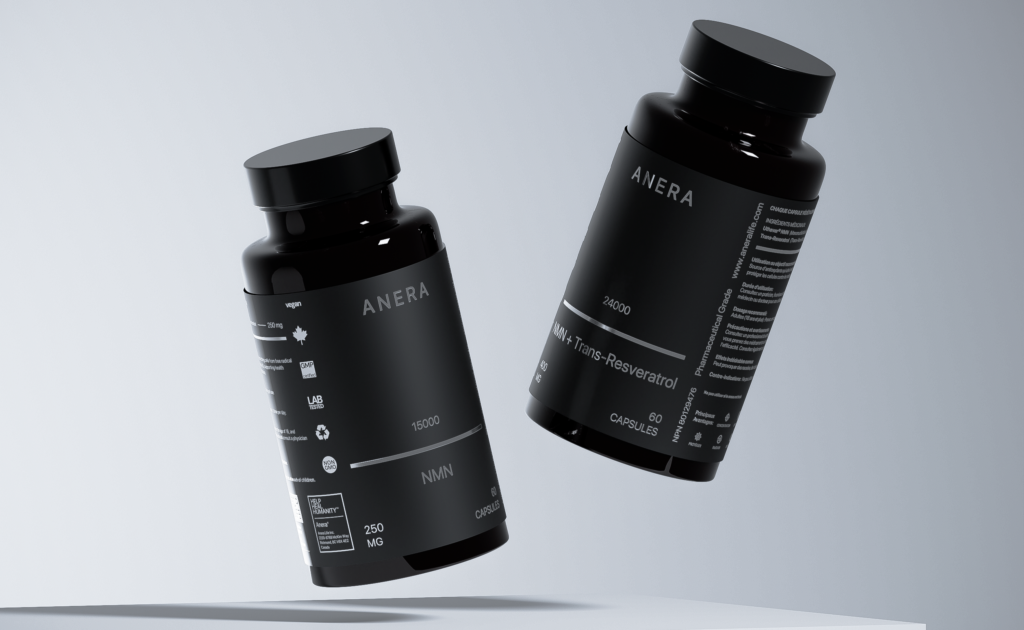
Brands like Anera Life focus on quality control, transparent sourcing, and stability-conscious formulations, factors that directly influence real-world outcomes and user confidence.
Best Alternatives If You Stop Taking NMN
If you stop taking NMN, alternatives like NR, resveratrol, exercise, and intermittent fasting can support NAD⁺ through different, well-studied pathways.
Not everyone benefits equally from NMN, and some users prefer approaches with clearer personal impact or lower cost. The alternatives below are commonly considered when people quit NMN but still want to support cellular energy and longevity.
NMN Alternatives Comparison Table
| Alternative | Primary Role | Key Benefit |
| NR (Nicotinamide Riboside) | NAD⁺ precursor | Supports energy and endurance |
| Resveratrol | Activates SIRT1 | Often used in longevity stacking |
| Exercise | Boosts NAD⁺ naturally | Long-term metabolic health |
| Intermittent fasting | Enhances NAD⁺ recycling | Improves metabolic flexibility |
NR and NMN both feed into NAD⁺ pathways, while resveratrol influences sirtuin activation, a different but complementary longevity mechanism. Exercise and fasting improve NAD⁺ efficiency naturally, without supplementation.
For many users, combining lifestyle strategies with targeted supplementation delivers more consistent results than relying on NMN alone.
Cost vs Perceived Value of NMN
Many people stop taking NMN because the cost-to-benefit experience doesn’t match expectations.
High-quality NMN supplements are inherently expensive due to:
- Complex manufacturing
- Stability challenges
- Purity requirements
- Third-party testing costs
When users purchase low-cost NMN options, they often encounter:
- Reduced potency
- Faster degradation
- Inconsistent results
This creates a lose-lose scenario: premium NMN feels expensive, while low-cost NMN feels ineffective. Over time, many users decide the perceived value doesn’t justify ongoing use especially when benefits are subtle or gradual.
Why NMN “Stops Working” for Some People
NMN usually doesn’t stop working expectations, dosage, or product quality change the perceived outcome.
Common reasons users feel NMN stopped working include:
- Switching to a lower-quality product
- Reducing dosage without realizing it
- Stopping before NAD⁺ levels stabilize
- Expecting escalating effects rather than maintenance
NMN supports NAD⁺ levels; it doesn’t continuously amplify energy or performance. Once NAD⁺ reaches a stable range, benefits may feel less noticeable even though the underlying support continues.
This plateau effect is often misunderstood as failure.
How NMN Fits Into a Smarter Longevity Strategy
NMN works best as a supportive tool within a broader longevity framework.
For users who choose to continue NMN, results tend to improve when it’s paired with:
- Resistance and aerobic exercise
- Adequate protein and micronutrient intake
- Sleep consistency
- Stress management
For those who stop NMN, similar longevity goals can still be supported through structured routines, alternative NAD⁺ precursors, or lifestyle-driven approaches.
How to Choose a High-Quality NMN Supplement
Choosing a high-quality NMN supplement comes down to purity, testing, manufacturing standards, and stability protection.
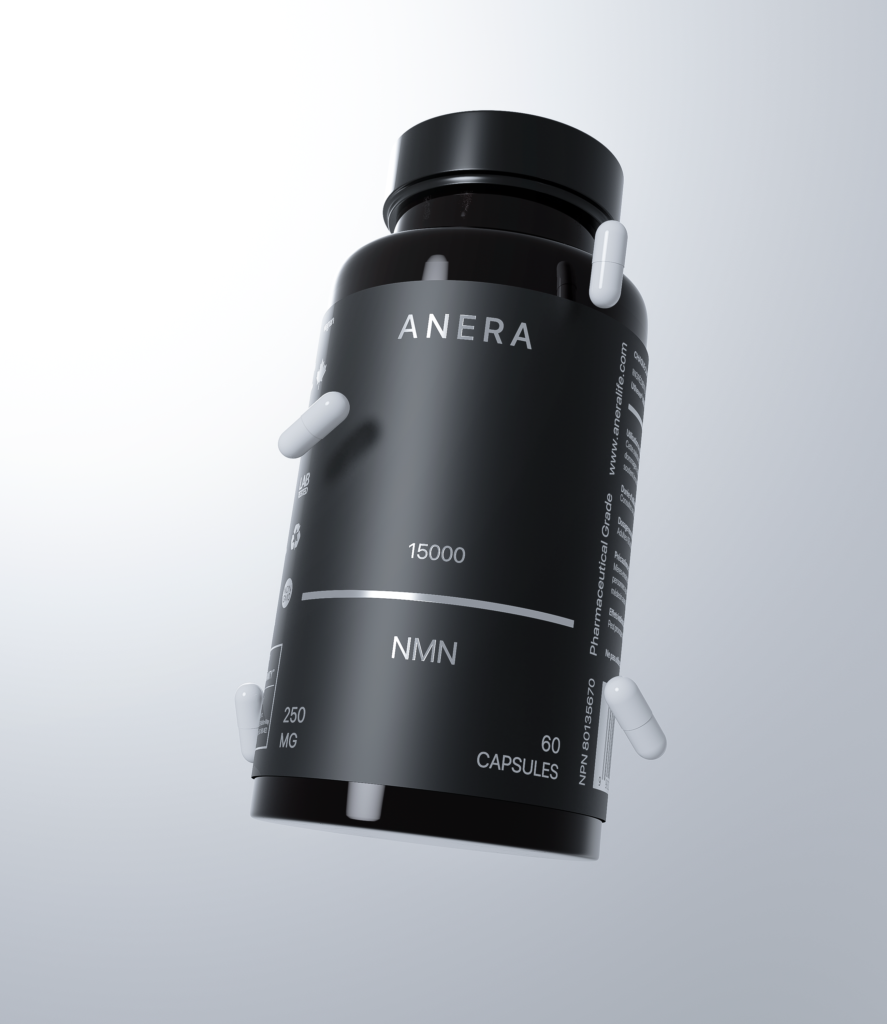
Because NMN is sensitive to degradation and quality varies widely, informed selection is critical. If users stop taking NMN due to poor results, the issue is often product-related rather than NMN itself.
High-Quality NMN Supplement Checklist
Look for the following before purchasing:
- Certificate of Analysis (COA)
Confirms identity, purity, and dosage accuracy through third-party testing.
- ≥99% purity
Lower purity increases the risk of reduced effectiveness and contamination.
- GMP-certified manufacturing
Ensures consistent production, quality control, and safety standards.
- Stability-protected packaging
NMN degrades with heat, light, and moisture. Proper packaging preserves potency.
- Transparent dosing
Clear labeling of per-serving NMN content without proprietary blends.
- Transparent sourcing
Reputable brands disclose ingredient origin and testing protocols.
These standards are increasingly expected from trusted wellness brands like Anera Life, especially as consumers become more informed and selective.
Why Most People Quit NMN
Most people quit NMN due to poor product quality, unrealistic expectations, short trial periods, or regulatory confusion not because NMN is ineffective or unsafe.
NMN supports NAD⁺ levels, which are involved in cellular energy and metabolic health. However, it is not a miracle supplement. Results depend on:
- Product quality
- Proper dosage and duration
- Individual health status
- Supporting lifestyle habits
When NMN is treated as a standalone fix or evaluated too quickly, disappointment is common. When used thoughtfully or replaced with suitable alternatives, it can still play a role in a long-term wellness strategy.
The smartest approach is informed, patient, and evidence-based.
Frequently Asked Questions
Is NMN safe to take long-term?
NMN appears well-tolerated in short-term human studies, with no serious adverse effects reported. However, long-term human data are still limited. Individuals with medical conditions or long-term supplementation plans should consult a healthcare professional before continued use.
Why did NMN stop working for me?
NMN often doesn’t stop working perceived benefits may plateau. Common causes include low-quality supplements, insufficient dosage, inconsistent use, or stopping too early before NAD⁺ levels stabilize.
How long before NMN shows results?
Most users who notice effects report changes within 4–8 weeks of consistent daily use. Results depend on dosage, product quality, baseline health, and supporting lifestyle factors.
How long does it take to feel NMN effects?
Some users feel subtle changes within a few weeks, while others notice no clear effects. NMN supports cellular processes rather than producing immediate sensations, making consistency and patience essential.
Why should you not take NMN?
Some people choose not to take NMN due to regulatory uncertainty, cost concerns, mild side effects, or lack of noticeable benefits. Individual health status and expectations should always guide supplement decisions.
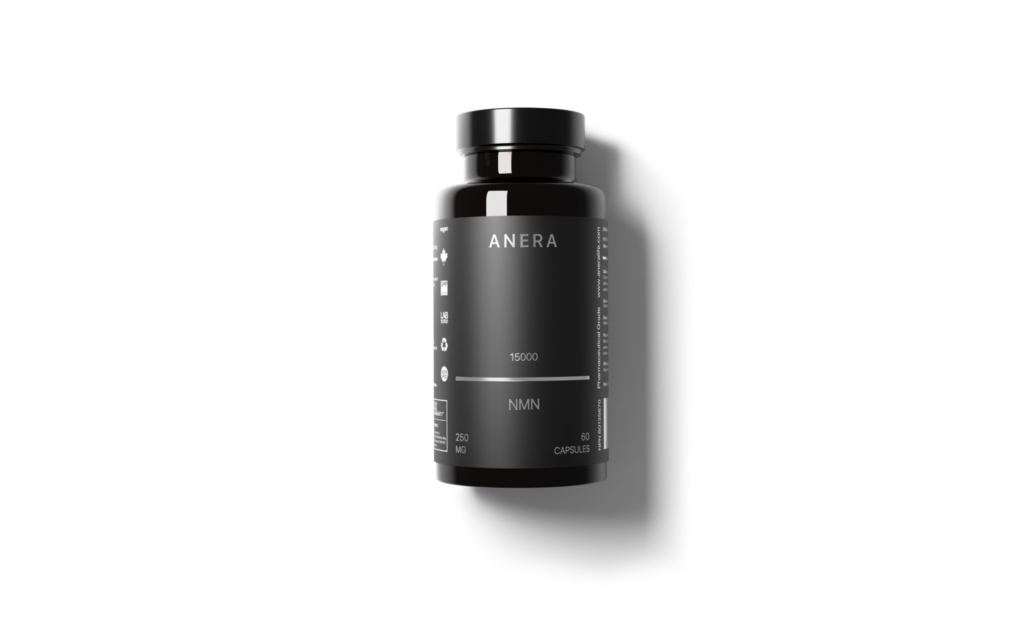
To learn more about our mission, science, and NMN products, visit AneraLife.com